Skip to content

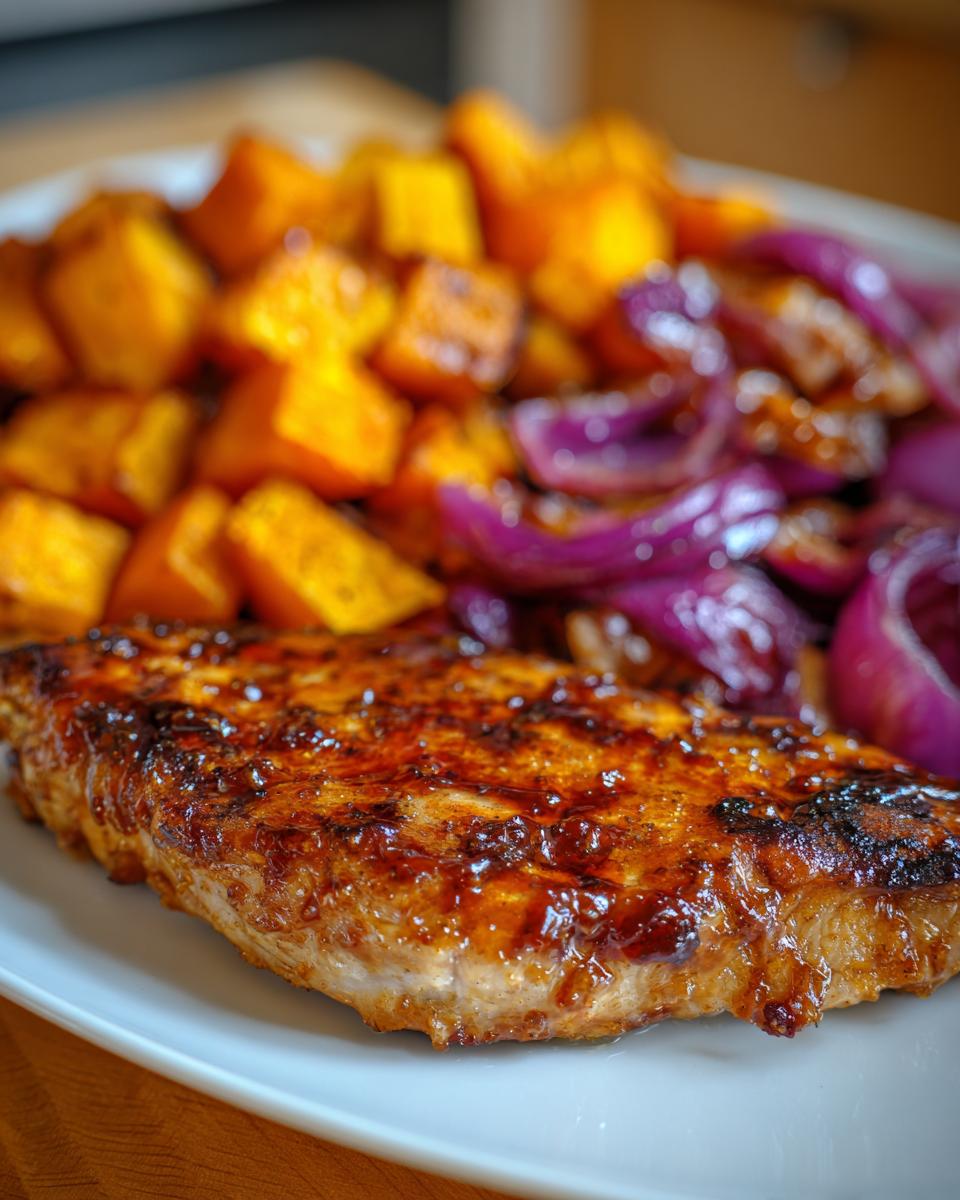
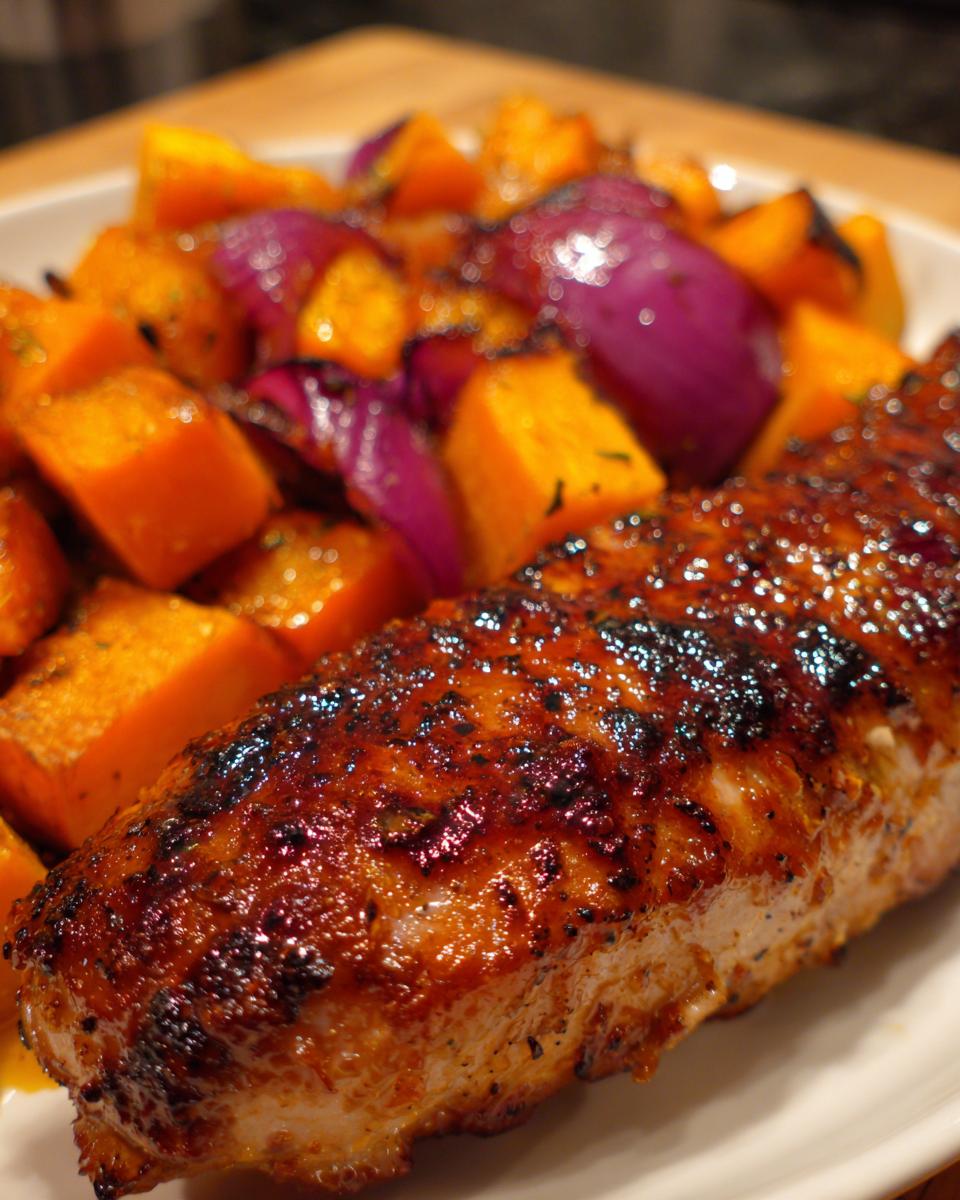
If you’re like me—Anna, a passionate food lover who just wants flavorful chicken on the table without scrubbing a sink full of dishes—then you are going to absolutely adore this Sheet Pan Dijon Maple Chicken recipe. Seriously, this is my go-to meal for making weeknights joyful and easy! We’re talking juicy, perfectly glazed chicken thighs nestled right next to caramelized butternut squash, all cooked on one single pan. That’s the magic right there: bold fall flavors with almost zero cleanup. I focus on sharing simple, flavorful chicken recipes that cut down on the fuss so you can actually enjoy eating dinner.
Why Sheet Pan Dijon Maple Chicken is Your New Weeknight Hero
Weeknights are chaos, right? That’s why this particular dish is such a lifesaver. You get that incredible sweet-and-tangy punch from the Dijon and maple syrup, which caramelizes beautifully under the high heat of the oven. It tastes like you spent ages fussing over marinades and side dishes, but really, it’s all happening together! The chicken thighs stay unbelievably moist because they’re roasting right alongside the vegetables, soaking up all those delicious pan juices. It’s satisfying, it’s balanced, and honestly, it smells like autumn heaven while it bakes.
Table Of content
Essential Ingredients for Dijon Maple Chicken
Okay, let’s talk groceries. Because this is a sheet pan meal, the ingredient list looks scary long, but trust me, it’s all stuff you probably have or can grab easily. The success of this Dijon Maple Chicken hinges on getting the prep right, especially for that glaze. We need balance: sweet, sharp, savory, and earthy. Don’t skip the parchment paper; that’s what keeps the cleanup truly minimal!
The Chicken and Flavor Base
For the protein, grab about two pounds of boneless, skinless chicken thighs. Thighs are my absolute favorite here because they handle the roasting time without drying out—they stay super juicy! Then we build the glaze. You need three tablespoons of good quality Dijon mustard—the sharper the Dijon, the better it cuts through the sweetness. Follow that with three tablespoons of pure maple syrup; please use the real stuff, not pancake syrup, or the flavor just won’t develop right. We’re also adding two tablespoons of olive oil, two cloves of minced garlic (fresh is best, always!), one teaspoon of dried thyme (if you have fresh, use about three teaspoons chopped!), one teaspoon of salt, and half a teaspoon of black pepper.
Roasting Vegetables
The vegetables are what make this feel like a complete, hearty meal. You’ll want about six cups of butternut squash, and this is key: peel it and cut it into uniform one-inch cubes. If the pieces are too big, they won’t soften when the chicken is done. We also need one large red onion cut into nice wedges. Toss these guys separately with two tablespoons of olive oil, half a teaspoon of salt, and just a quarter teaspoon of pepper. Keeping the vegetable seasoning separate ensures the chicken isn’t too salty before we even add the glaze!
Equipment Needed for Sheet Pan Dijon Maple Chicken
You don’t need a million gadgets for this, which is part of the beauty! The most important things are a large rimmed sheet pan—make sure it’s big enough so the food isn’t piled up!—and parchment paper. Seriously, parchment is your best friend here. You’ll need at least one small bowl for whisking up that amazing glaze and another bowl for tossing the veggies. Oh, and please, please have a meat thermometer handy. Getting that chicken right at 165°F is how we guarantee great texture and safety!
Step-by-Step Instructions for Dijon Maple Chicken
This is where the magic happens, and honestly, it’s so straightforward you’ll wonder why you haven’t done this every Tuesday! We’re working in stages because the squash needs a head start before the chicken joins the party. Active cooking time is fast, but we need to respect the oven’s schedule.
Preparing the Vegetables and Oven
First things first: get that oven cranked up to 425°F. While it’s heating, line your big sheet pan with parchment paper—I learned the hard way that trying to scrub caramelized maple off bare metal is a nightmare! Now, take your cubed butternut squash and those red onion wedges. Toss them in a bowl with two tablespoons of olive oil, half a teaspoon of salt, and just a quarter teaspoon of pepper until they are lightly coated. Spread them out on the sheet pan in a single layer; don’t let them crowd each other, or they’ll steam instead of roast! Pop that pan into the hot oven and let those veggies roast all by themselves for a solid 20 minutes. They need that time to get a little soft and start caramelizing.
Crafting the Signature Dijon Maple Chicken Glaze
While the squash is doing its thing, we whip up the star of the show! In a small bowl, whisk together the Dijon mustard, maple syrup, two tablespoons of olive oil, the minced garlic, dried thyme, one teaspoon of salt, and half a teaspoon of black pepper until it’s smooth and beautifully combined. Now, here is a critical step for flavor insurance: take about two tablespoons of this prepared glaze and set it aside in a separate tiny dish. We use this reserved amount later to drizzle over the chicken *after* it’s cooked a bit. This keeps the raw chicken from contaminating the finishing glaze, which is just good kitchen hygiene!
Combining and Final Roasting of Dijon Maple Chicken
After the 20 minutes are up, carefully pull the hot pan out. Pat your chicken thighs dry with a paper towel—this helps the glaze stick better! Coat each thigh thoroughly with the main batch of glaze. Then, nestle the glazed chicken thighs right in between those partially roasted vegetables. Take that reserved two tablespoons of glaze and drizzle it right over the tops of the chicken pieces. Back into the oven it goes! Roast everything for another 18 to 22 minutes. You must use a meat thermometer here; we are looking for 165°F right in the thickest part of the thigh to be safe and perfectly cooked. Once it hits that temp, pull it out, let the chicken rest right there on the pan for three minutes, and then dinner is served!
Tips for Perfect Dijon Maple Chicken Every Time
Even with simple sheet pan recipes, small details make the difference between good and absolutely fantastic. When I first started making this Dijon Maple Chicken, I had a few fails—mostly sticky messes or chicken that felt a little tough. Learning to respect the timing of the vegetables and the glaze consistency was a total game-changer for me.
Remember checking the squash after those first 20 minutes? If it’s still rock hard, give it another five minutes before you add the chicken. If you rush that step, you get undercooked squash next to perfectly cooked chicken, which isn’t fun. Also, when you’re whisking that glaze, if it looks too thick because your Dijon is super stiff, just add a tiny splash of water—maybe half a teaspoon—to loosen it up so it coats the chicken easily. I once forgot to pat my thighs dry, and the glaze just slid right off into a sugary puddle on the pan! Don’t do that!
Achieving Optimal Chicken Juiciness
The biggest enemy of juicy chicken is overcrowding the pan. If your chicken pieces are touching too much, or if they are stacked on top of the vegetables, they steam. Steaming means no crisp edges and a harder time reaching that perfect temperature evenly. Spread everything out so the heat can circulate nicely around the chicken thighs. And please, don’t skip the resting time! Even if you’re starving, letting the chicken rest for three minutes on the pan allows those juices to redistribute back into the meat. It’s only three minutes, but it keeps the meat tender.
Ingredient Clarity for Your Dijon Maple Chicken
If you don’t have dried thyme, fresh thyme is totally fine—just use a bit more, maybe three teaspoons chopped, since dried herbs are more concentrated. And about the maple syrup: if you like things really tangy, feel free to cut the maple syrup down to two and a half tablespoons. But honestly, the full three tablespoons is what gives you that beautiful, deep caramelization that pairs perfectly with the squash. It’s worth the extra sugar, trust me on this one!
Fantastic Serving Suggestions for Dijon Maple Chicken
Since the Dijon Maple Chicken and squash already give you a protein and a hearty vegetable, the goal for side dishes is keeping it super simple for those busy nights. You want something light to balance the richness of the glaze and the starchiness of the squash. A fresh green element is always my first thought!
A simple, bright green salad tossed with a light vinaigrette is perfect. Think mixed greens, maybe some thinly sliced cucumber, and a squeeze of lemon juice. If you want something warm but fast, steamed green beans or quick-sautéed asparagus tossed with a little salt and pepper are fantastic. They take about the same amount of time the chicken is resting! If you’re feeling ambitious, a small scoop of brown rice or quinoa works well to soak up any extra maple-Dijon sauce left on the pan. Keep it light and fresh, and you’ve got a complete, delicious dinner!
Frequently Asked Questions About Dijon Maple Chicken
I get so many questions about tweaks and substitutions for this easy sheet pan dinner, which is great! It means you’re excited to make it. Here are the most common things people ask me about when making this Dijon Maple Chicken.
Can I Use Chicken Breasts Instead of Thighs in This Dijon Maple Chicken Recipe?
You absolutely can, but you have to watch them closely! Chicken breasts are much leaner than thighs, so they dry out faster. If you use breasts, I recommend cutting them to about the same thickness as the thighs, or even slicing them in half horizontally so they are thinner. Because they cook faster, check the temperature after about 15 minutes of roasting with the vegetables. You still need that 165°F internal temperature, but they might be done closer to the 15-minute mark than the 20-minute mark. If you notice them looking done early, pull them off and let them rest while the squash finishes up! For more tips on keeping chicken breasts juicy, check out my guide on juicy baked chicken breasts.
How Far in Advance Can I Make the Dijon Maple Glaze?
This is a great time-saver tip! You can definitely whisk together the Dijon maple glaze mixture a day or two ahead of time. Keep it covered tightly in the refrigerator. Now, here’s the catch: because it has mustard and maple, it will firm up quite a bit when it gets cold. Before you use it, let it sit on the counter for about 30 minutes, or give it a quick whisk to loosen it back up. If it’s still too stiff to coat the chicken nicely, add just a tiny splash—maybe half a teaspoon—of water to get it moving again. Remember to reserve that two tablespoons for drizzling later!
What Other Vegetables Work Well with Dijon Maple Chicken?
Since this is such a versatile sheet pan recipe, you can swap out the butternut squash easily! Root vegetables that cook in a similar time frame work best. Try sweet potatoes cut into one-inch chunks, or even firm carrots. If you use something that cooks faster, like broccoli florets, you’ll want to add them in for the last 12 to 15 minutes of the chicken’s cooking time, rather than roasting them at the beginning. Avoid anything too watery, like mushrooms, unless you want a soggy pan! For another great one-pan meal idea, see my recipe for a delicious one-pan dinner.
Storing and Reheating Leftover Dijon Maple Chicken
This Dijon Maple Chicken is so flavorful that you’ll definitely want leftovers, but we have to be careful when reheating chicken thighs so they don’t turn rubbery. The goal is to bring the heat back gently without cooking them further. Since the squash gets softer upon reheating, it’s best to try and separate the chicken from the vegetables before storing them if you plan on eating the chicken later in the week.
Storage Guidelines
For the best results, store any leftover chicken and vegetables in separate, airtight containers. This helps prevent the chicken from absorbing moisture from the squash, which can make it mushy. Generally, leftovers are safe and delicious in the fridge for about three to four days. Remember to let the food cool down completely before sealing the containers and putting them away! If you are looking for more ways to use chicken, check out my recipe for loaded chicken salad.
Reheating Instructions
Never reheat this chicken in the microwave if you want to keep that lovely texture! The best way to revive these leftovers is low and slow. I recommend reheating the chicken in a preheated oven at just 300°F until it’s warmed through. If you need to reheat the squash, a quick sauté in a skillet with a tiny splash of olive oil works wonders to crisp up the edges again. Here’s a quick reference guide for keeping your leftovers tasty:
| Component | Storage Method | Best Reheat Method |
|---|---|---|
| Chicken Thighs | Airtight container | 300°F Oven |
| Roasted Squash/Onions | Airtight container | Skillet or Quick Oven Warm |
We Want to Hear From You About Your Dijon Maple Chicken
I really hope this Dijon Maple Chicken recipe has made your weeknights a little brighter and a lot tastier! I pour so much love into these simple meals, and knowing they work for you means everything. Did the glaze come out perfectly sticky? How fast did your family devour the chicken?
I would absolutely love it if you could leave a rating below and tell me your thoughts in the comments. Seriously, share a picture if you post one online—I want to see your beautiful sheet pan creations! You can also find more inspiration for easy weeknight meals on my Pinterest page.
Print
5 Star Dijon Maple Chicken Joy
- Total Time: 55 minutes
- Yield: 4 servings 1x
- Diet: Low Fat
Description
Sheet Pan Dijon Maple Chicken with Squash offers a sweet-tangy glazed chicken thigh and roasted butternut squash meal cooked on one pan. This recipe provides bold fall flavors with minimal cleanup, making it perfect for busy weeknights. You get juicy protein next to caramelized vegetables for a satisfying meal.
Ingredients
- 2 pounds boneless skinless chicken thighs (6–8 ounces each)
- 3 tablespoons Dijon mustard
- 3 tablespoons pure maple syrup
- 4 tablespoons olive oil (2 for glaze, 2 for vegetables)
- 2 cloves garlic, minced
- 1 teaspoon dried thyme
- 2 teaspoons salt (1 for glaze, 1 for vegetables)
- 1 1/2 teaspoons black pepper (1/2 for glaze, 1/4 for vegetables, plus extra for seasoning if needed)
- 6 cups butternut squash, peeled and cut into 1-inch cubes
- 1 large red onion, cut into wedges
Instructions
- Preheat your oven to 425°F. Line a large sheet pan using parchment paper.
- Peel and cube the butternut squash into 1-inch pieces. Toss the squash and red onion wedges with 2 tablespoons olive oil, 1/2 teaspoon salt, and 1/4 teaspoon black pepper. Spread this mixture evenly over the prepared sheet pan.
- Roast the vegetables for 20 minutes until the squash starts to soften.
- While vegetables roast, prepare the glaze. Whisk together the Dijon mustard, maple syrup, 2 tablespoons olive oil, minced garlic, dried thyme, 1 teaspoon salt, and 1/2 teaspoon black pepper in a small bowl.
- Pat the chicken thighs dry. Coat them thoroughly with the glaze, making sure to set aside 2 tablespoons of the mixture.
- Remove the sheet pan from the oven. Place the glazed chicken thighs among the roasted vegetables. Drizzle the reserved 2 tablespoons of glaze over the chicken.
- Return the pan to the oven. Roast for another 18 to 22 minutes, or until the chicken reaches an internal temperature of 165°F and the squash is fork-tender.
- Let the chicken rest for 3 minutes before you serve the meal.
Notes
- Always verify the chicken reaches 165°F internal temperature using a thermometer for food safety.
- You can substitute dried thyme for fresh if needed.
- This recipe uses seasonal butternut squash; adjust roasting if using a different vegetable.
- Prep Time: 15 minutes
- Cook Time: 40 minutes
- Category: Main Course
- Method: Sheet Pan Roasting
- Cuisine: American
Nutrition
- Serving Size: 1 serving
- Calories: 520
- Sugar: Not specified
- Sodium: Not specified
- Fat: 25g
- Saturated Fat: Not specified
- Unsaturated Fat: Not specified
- Trans Fat: Not specified
- Carbohydrates: 35g
- Fiber: Not specified
- Protein: 42g
- Cholesterol: Not specified