Skip to content

If you’re tired of saucy chicken dishes and you crave that deep, smoky heat that only comes from perfectly toasted whole spices, then you’ve landed in the right spot! We are diving headfirst into the world of Chettinad Chicken Fry, a recipe that proves dry masalas can pack more punch than any gravy. This isn’t just quick weeknight food; it’s about capturing that complex, authentic flavor profile that makes South Indian cooking famous. Trust me, once you master this, you’ll be making it every weekend.
Anna’s Journey to Perfecting Chettinad Chicken Fry
Hi there, I’m Anna! I’m a passionate food lover, and my mission is simple: sharing flavorful chicken recipes that make everyday cooking easier and, honestly, way more joyful. I’ve spent years tinkering with spice blends, trying to find that elusive balance that makes a dish sing. The Chettinad Chicken Fry, or *Chicken Chukka* as some call it, was a real challenge because the texture has to be just right—dry, yet tender.
My goal here was to nail the authenticity of the Chettinad region. That means no shortcuts on the spice grinding! When you take the time to toast those seeds and then grind them yourself, you unlock a smoky depth that you just can’t get from a jar. This recipe is my favorite way to bring that vibrant, bold flavor right onto your dinner table without spending all day in the kitchen.
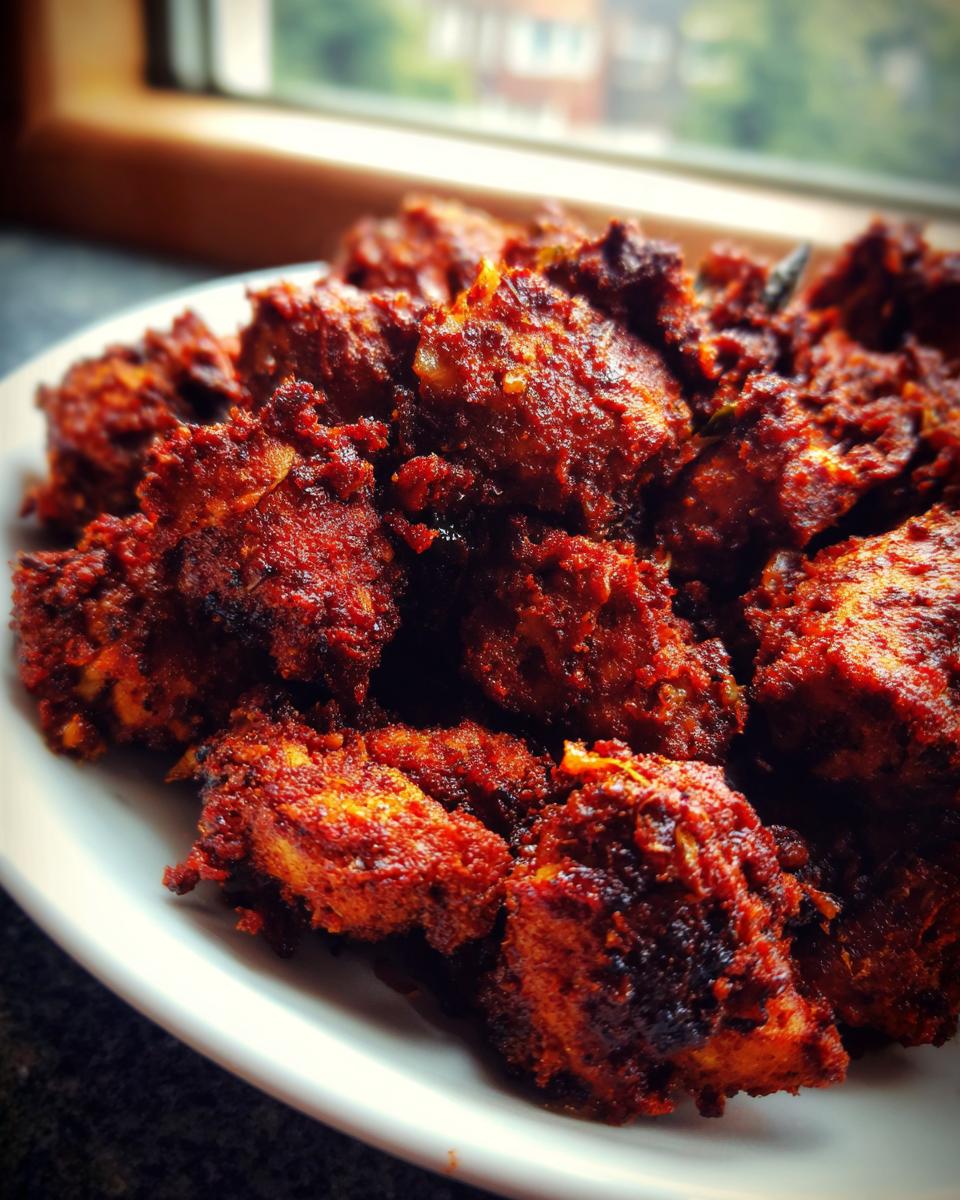
Table Of content
Gathering Your Ingredients for Chettinad Chicken Fry
Okay, let’s talk ingredients! To make this fantastic Chettinad Chicken Fry, we need two main groups of things: the whole spices for our magic powder and the main components for the cooking itself. Don’t skimp on the spices; they are the absolute heart of this dish! For the chicken, I always, always recommend bone-in thighs if you can find them. They just hold up better to the intense dry-fry process and give you a richer flavor than breast meat, but boneless works if you’re in a rush. If you prefer boneless chicken, just cut your breast or thigh pieces into slightly smaller, uniform chunks.
Essential Components for the Dry Masala Blend
This is where the magic starts! You need to toast these whole spices before grinding them. Trust me, grinding them fresh makes all the difference in the world.
- 1 tablespoon coriander seeds
- 3/4 teaspoon cumin seeds
- 4 cloves
- 1-inch piece cinnamon stick
- 2 green cardamom pods
- 1/2 teaspoon black peppercorns
- 1 teaspoon fennel seeds
- 4 dried red chilies (adjust these based on how much heat you like!)
- 1 tablespoon unsweetened shredded coconut
- 1 tablespoon roasted chana dal or 8 cashews
Chicken and Aromatics for Your Chettinad Chicken Fry
For the main event, we need about one pound of chicken pieces, cut nicely. Make sure you have fresh aromatics ready to go!
- 1 pound (500 g) chicken thighs or drumsticks, cut into chunks
- 1/2 teaspoon turmeric powder
- 1 teaspoon salt (we will adjust later!)
- 2 tablespoons sesame or vegetable oil
- 6 to 8 small shallots or 1/2 cup finely chopped onion
- 1 1/2 teaspoons ginger garlic paste
- 1 tablespoon lemon juice (for the end)
- 2 sprigs fresh curry leaves (these are non-negotiable!)
- 2 tablespoons chopped cilantro (for garnish)
Equipment Needed for a Perfect Chicken Varuval
You don’t need a ton of fancy gadgets for this, which is part of why I love the Chicken Varuval so much! It’s all about simple, sturdy kitchen workhorses. We need something reliable for roasting and something strong enough to handle those tough spices we are about to grind up.
Key Tools for Roasting and Frying
- A heavy-bottomed skillet or pan for dry roasting the spices without scorching them.
- A spice grinder or a sturdy blender to turn those toasted seeds into a fine powder. Don’t skip this step!
- A good meat thermometer. Seriously, this is the only way to guarantee your chicken is safe and perfectly cooked at 165°F (74°C).
Mastering the Spice Blend for Chettinad Chicken Fry
This is the part that separates a good fry from an absolutely incredible one. Forget the pre-ground stuff; we are going to build the flavor foundation for our Chettinad Chicken Fry from scratch by roasting everything! This process releases the essential oils trapped inside the spices, making the final dish incredibly aromatic and smoky. It only takes a few minutes, but the payoff is huge. Get your skillet ready!
Step 1: Dry Roasting the Whole Spices
Place your dry pan over medium heat—and I mean medium! If it’s too high, everything burns before you smell the fragrance. Add in your dried red chilies, coriander, cumin, fennel, cloves, cinnamon stick, cardamom, and black peppercorns. You need to keep these moving constantly, stirring them around for about three to four minutes until you can really smell them—that sharp, sweet, earthy scent means they are ready.
Step 2: Toasting Coconut and Dal/Cashews
Once those main spices are fragrant, toss in your two sprigs of fresh curry leaves, the shredded coconut, and the roasted chana dal (or cashews, if you’re using those for richness). Give everything a quick minute or so to toast up. The coconut should just start to turn lightly golden. Immediately dump this entire hot mixture onto a plate to cool down completely. Once it’s cool enough to touch, transfer it to your grinder or spice blender and pulse until you have a fine, fragrant powder. That is your homemade masala powder! If you want to see more of my favorite spice-heavy recipes, check out my Pinterest board.
Preparing the Chicken Base for Your Chettinad Chicken Fry
Now that we have our powerhouse spice blend ready to go, it’s time to get the chicken cooking! This part moves pretty fast, so have your turmeric, salt, and chicken chunks ready to go right beside the stove. We are building the base flavor for our incredible Chettinad Chicken Fry by using shallots and that wonderful, pungent ginger-garlic paste. Don’t rush this sautéing step; nice golden onions make a huge difference!
Sautéing Onions and Ginger Garlic Paste
Grab your skillet again, but this time, put it over medium heat and add your two tablespoons of sesame or vegetable oil. Once it shimmers a bit, toss in the fresh curry leaves—listen for that satisfying sizzle! Next, add your chopped shallots or onions. You want to cook these down for about four or five minutes until they are nicely golden brown and sweet. Don’t let them burn! Once they look good, stir in that 1 1/2 teaspoons of ginger garlic paste. Cook that just until you can smell it—maybe 30 seconds—just long enough to cook out that raw edge.
Searing and Initial Cooking of the Chicken
Time for the star! Add your pound of chicken pieces right into the skillet. Sprinkle over the half teaspoon of turmeric powder and the teaspoon of salt. Give everything a good toss right away so the chicken gets coated in the aromatics and spices. Stir-fry this for about three or four minutes until the chicken pieces have lost that raw pink color and turned white on the outside. Now, here’s a trick for tenderness: cover the skillet and let it cook for five more minutes. This steam helps the chicken start tenderizing and releases some natural juices we’ll use later. For other great ways to cook chicken, see my chicken with garlic and cumin recipe.
Finishing the Chettinad Chicken Fry Masala
Alright, the chicken is partially cooked, and your kitchen should smell absolutely heavenly from those freshly toasted spices! This is the moment we combine everything to create that signature, intensely flavored coating. Remember, this is a *fry*, not a curry, so we are aiming for the masala to cling beautifully to every piece of chicken. This final stage is what makes this Chettinad Chicken Fry so unique and addictive.
Coating the Chicken with Freshly Ground Masala
Uncover your skillet and it’s time to stir in that beautiful, coarse powder you just ground up. Mix it really well! You want every single chicken chunk to be completely enveloped in that dark, rich spice blend. As you stir, you might notice the pan looking a little dry, especially if your chicken didn’t release a ton of liquid. If that happens, don’t panic! Just drizzle in about a quarter cup of hot water. This little bit of moisture helps the dry spices bloom and stick to the meat instead of just burning on the bottom of the pan.
Achieving the Signature Dry Texture
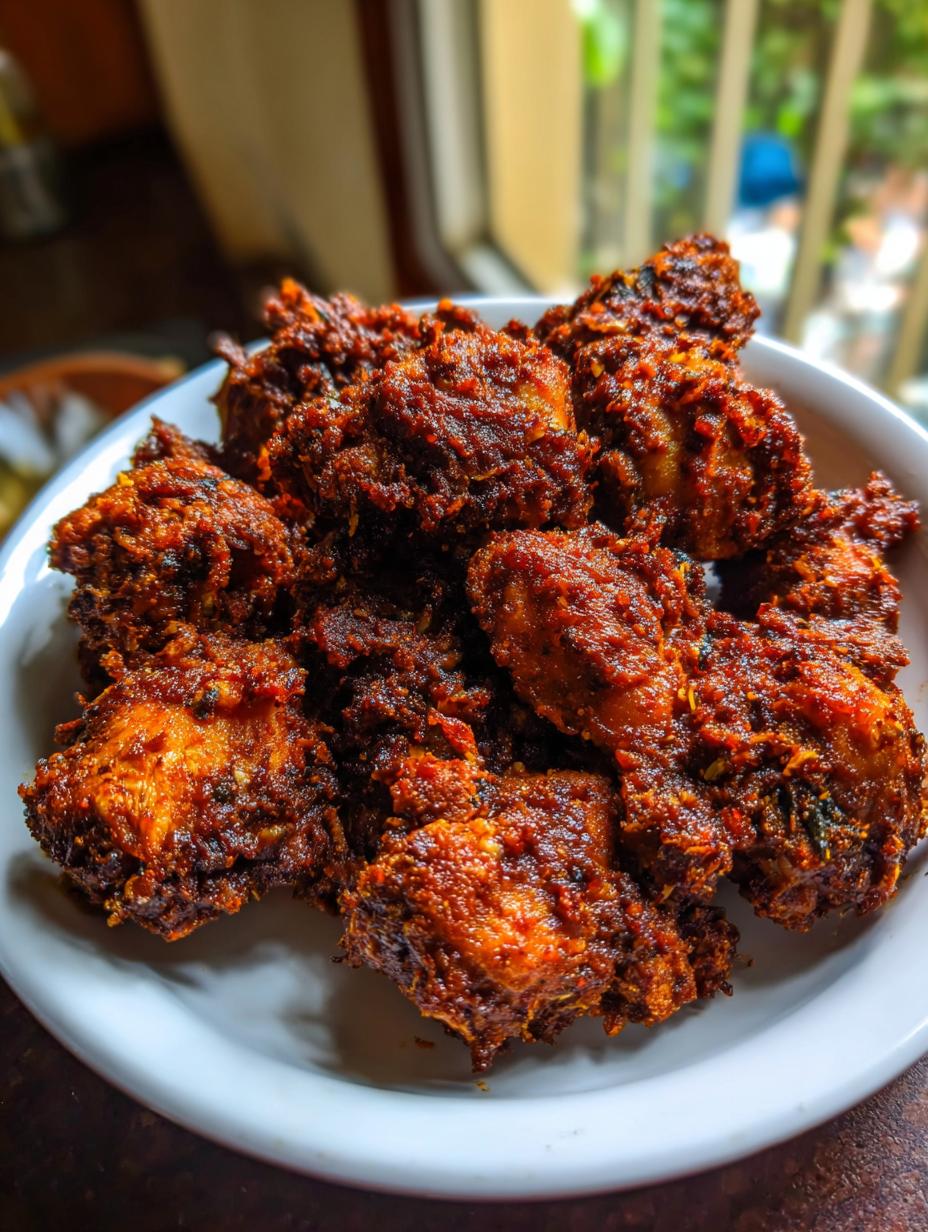
Now, take the lid off for good! We need to let that moisture evaporate and thicken up the coating. Cook the chicken uncovered for about eight to ten minutes. You have to stir it every minute or so to make sure nothing sticks or scorches. Keep cooking until the masala has thickened up significantly and it’s clinging tightly to the chicken pieces—that’s the sign of a perfect *Varuval*! The oils from the spices will start to separate slightly, giving it that beautiful sheen.
Final Touches Lemon Juice and Cilantro
Just before you turn off the heat, we need a little burst of brightness to cut through all that deep spice. Stir in your tablespoon of fresh lemon juice—it brightens everything up! Toss it around for about 30 seconds. Then, turn the heat off and toss in your two tablespoons of freshly chopped cilantro. Give it one last good mix. That fresh green cilantro mixed with the dark masala is just gorgeous. Seriously, your house smells amazing right now! If you are looking for a different kind of spicy chicken, check out this spicy chicken dinner recipe.
Tips for Success with Dry Chicken Fry Recipes
Mastering any dry fry recipe, especially one this bold, comes down to a few small technical points I’ve learned over the years. If you follow these simple guidelines, you’ll avoid common pitfalls like dry meat or burnt spices. It’s all about managing heat and knowing when to stop!
Ensuring Proper Internal Temperature
This is my biggest rule for any chicken dish, folks! Because we are cooking this on higher heat to get that dry coating, it’s easy for the outside to look done when the inside is still iffy. You absolutely must use a meat thermometer. Push it into the thickest part of a piece of chicken; you are looking for a safe internal temperature of 165°F (74°C). That guarantees safety without overcooking the meat to shoe-leather status.
Adjusting Heat Levels in Your Masala
We used four dried red chilies to start, but everyone’s tolerance is different. If you love serious fire, toss in a couple more whole chilies when you toast the spices—remember to remove the seeds if you want a little less punch! If you are nervous about the heat, start with just two chilies, taste the final dish, and then next time, add more. You can always add heat later, but taking it out when it’s already cooked? Impossible!
Frequently Asked Questions About Chettinad Chicken Fry
I get so many great questions after people try this recipe for the first time! It’s a different style of cooking than standard curries, so it’s natural to have a few questions about substitutions or keeping it fresh. Here are the ones I hear most often about making the best Chettinad Chicken Fry at home.
Can I Make This Chettinad Chicken Fry with Boneless Chicken?
Yes, absolutely! If you prefer boneless chicken, just cut your breast or thigh pieces into slightly smaller, uniform chunks. Because boneless chicken cooks faster than bone-in pieces, you’ll want to reduce that initial covered cooking time slightly—maybe just three or four minutes instead of five—to prevent it from drying out before you add the masala powder.
What is the Best Oil to Use for Chicken Chukka?
For this style of cooking, where we are dry-roasting spices and then stir-frying at a relatively high heat, you need an oil with a high smoke point. I love using traditional sesame oil because it adds a lovely nutty flavor that complements the South Indian spices perfectly. If sesame isn’t your thing, a neutral vegetable oil works wonderfully for this Chicken Chukka.
How long does this Chicken Varuval keep?
Because this is a dry preparation, it actually keeps quite well! Store your leftover Chicken Varuval in an airtight container in the fridge for up to three days. The flavors actually deepen overnight, which is fantastic for lunch the next day. Just make sure it cools completely before you seal the container up! For more chicken ideas, check out this Tuscan Chicken Thighs recipe.
Storing and Reheating Your Chettinad Chicken Fry
Since this is a dry-style dish, leftovers of the Chettinad Chicken Fry are easy to handle, but you do want to treat them gently so the coating doesn’t get tough when you reheat it. For storage, make sure the chicken has cooled completely before putting it into a sealed container. It’s good to go in the fridge for three or four days, and the flavors actually get even more intense overnight!
Reheating Tips for Maximum Flavor
When you’re ready for seconds, skip the microwave if you can, as it can sometimes dry out the coating too quickly. The best way to reheat this is right back in your skillet over medium-low heat. If it looks like it’s sticking or getting too dry, just add a tiny splash—maybe a teaspoon—of hot water or even a few drops of oil. Toss it gently until it’s warmed through. That little bit of moisture wakes up the spices beautifully! If you’re looking for a different kind of flavorful chicken, try my recipe for Orange Glazed Chicken.
Serving Suggestions for Your Spicy Chicken Dish
This intense, dry-style chicken is fantastic because it goes well with almost anything that can soak up those flavorful masala bits left in the pan. It’s versatile enough for a quick lunch or a big family dinner. You don’t need heavy sauces when the spice blend is this good!
Classic Accompaniments
- Steamed rice is the perfect, simple base to let the intense flavors of the chicken shine.
- Dosa or Appam are traditional and wonderful—the slight sourness of the fermented batter balances the heat beautifully.
- If you prefer bread, try it with some soft roti or paratha for scooping up every last bit of the spice mixture.
Share Your Experience Making This Chettinad Chicken Fry
I poured my heart into making this recipe accessible and authentic for you! Now it’s your turn. Did you nail that perfect dry coating? Were your kitchen smells incredible while roasting those whole spices? I want to hear all about it!
Please take a moment to leave your rating below and drop a comment telling me how your Chettinad Chicken Fry turned out. Your feedback helps me keep sharing the best, easiest, and most joyful recipes!
Print
Amazing 3-Step Chettinad Chicken Fry Flavor
- Total Time: 40 minutes
- Yield: 4 servings 1x
- Diet: Low Fat
Description
This Chettinad Chicken Fry, also known as Chicken Chukka or Chicken Varuval, delivers bold, smoky heat and complex South Indian flavors using freshly ground spices. It is a dry-style masala preparation perfect for pairing with rice or bread.
Ingredients
- 1 pound (500 g) chicken thighs or drumsticks, bone-in or boneless, cut into chunks
- 1/2 teaspoon turmeric powder
- 1 teaspoon salt
- 2 tablespoons sesame or vegetable oil
- 6 to 8 small shallots or 1/2 cup finely chopped onion
- 1 1/2 teaspoons ginger garlic paste
- 1 tablespoon lemon juice
- 2 sprigs curry leaves
- 2 tablespoons chopped cilantro
- 1 tablespoon coriander seeds
- 3/4 teaspoon cumin seeds
- 4 cloves
- 1-inch piece cinnamon stick
- 2 green cardamom pods
- 1/2 teaspoon black peppercorns
- 1 teaspoon fennel seeds
- 4 dried red chilies
- 1 tablespoon unsweetened shredded coconut
- 1 tablespoon roasted chana dal or 8 cashews
Instructions
- Roast red chilies, coriander, cumin, fennel, cloves, cinnamon, cardamom, and black pepper in a dry pan over medium heat until aromatic.
- Add curry leaves, coconut, and roasted chana dal (or cashews) to the pan. Toast 1 minute more until fragrant. Cool the mixture and grind it into a fine powder.
- Heat sesame oil in a skillet over medium heat. Add curry leaves and chopped onions. Sauté for 4–5 minutes until golden.
- Stir in ginger garlic paste and cook for 30 seconds until fragrant.
- Add chicken pieces, turmeric powder, and salt. Stir-fry for 3–4 minutes until the chicken turns white.
- Cover the skillet and cook for another 5 minutes to allow the chicken to release juices.
- Stir in the ground spice blend. Mix well to coat the chicken evenly. Add 1/4 cup hot water if the pan seems too dry.
- Cook uncovered for 8–10 minutes, stirring occasionally, until the chicken is tender and the masala thickens and clings to the meat.
- Stir in lemon juice and chopped cilantro. Toss well and cook for 1 minute more.
- Serve hot with steamed rice, ghee rice, or dosa.
Notes
- Cook chicken until an internal temperature of 165°F (74°C) is reached for safety.
- Prep Time: 15 minutes
- Cook Time: 25 minutes
- Category: Main Dish
- Method: Stir-fry
- Cuisine: Indian
Nutrition
- Serving Size: 1 serving
- Calories: 514
- Sugar: N/A
- Sodium: N/A
- Fat: 35g
- Saturated Fat: N/A
- Unsaturated Fat: N/A
- Trans Fat: N/A
- Carbohydrates: 14g
- Fiber: N/A
- Protein: 33g
- Cholesterol: N/A