Skip to content

When I think about the perfect weekend morning, it always involves a plate piled high with something incredible, and nothing screams “special occasion” quite like a fantastic Chicken Benedict. Forget those flimsy, flavorless versions you sometimes see; we’re making the real deal here! I’m Anna, and I’m that passionate food lover who believes that even everyday cooking should be joyful and packed with flavor. Over the years, I’ve tinkered endlessly with classic brunch staples like this one, finding the easiest ways to get restaurant-quality results right in my own kitchen.
This recipe swaps out ham for tender, perfectly seasoned chicken cutlets, making it a savory, protein-packed way to start your day. Trust me, once you master the simple technique for that creamy, lemony hollandaise, you’ll never look back. We’re talking juicy chicken, perfectly set poached eggs, and a sauce so rich it coats everything beautifully. It’s surprisingly quick, clocking in at under 40 minutes total, which means more time relaxing and less time stressing over brunch.
Table Of content
Sourcing Ingredients for Your Chicken Benedict
Getting the ingredients right is the first big step toward a show-stopping Chicken Benedict. Since this recipe only serves two, every single component needs to be top-notch. We’re not using complicated things here, just focusing on fresh quality for maximum impact. You’ll notice we’re using chicken breast cutlets instead of traditional Canadian bacon, so make sure those are trimmed nicely.
The magic, as always, is in the hollandaise—so don’t skimp on the butter or the lemon! Freshness really matters when you’re working with just a few simple flavors.
Essential Components for Perfect Chicken Benedict
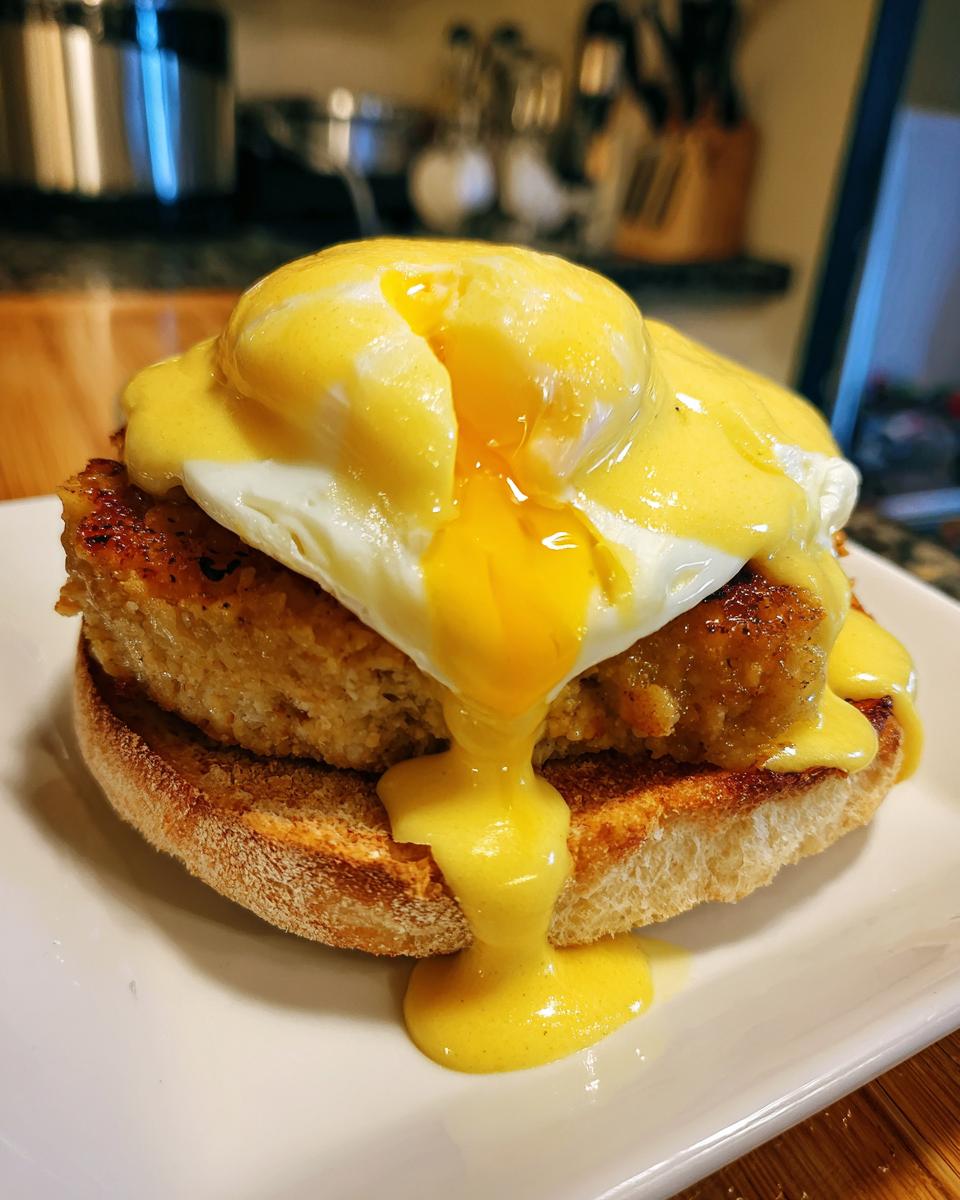
For this recipe serving two people, we need chicken cutlets that are about three-quarters of an inch thick; this helps them cook evenly without drying out before they hit that safe 165°F temperature. When you’re poaching the eggs, remember we want the whites firm but the yolks still wonderfully runny. For the sauce, the butter must be melted and kept warm, but definitely not sizzling hot—that’s a rookie mistake that ruins the emulsion!
Table of Ingredients for Chicken Benedict
| Ingredient | Quantity (For 2 Servings) | Preparation Note |
|---|---|---|
| Boneless Skinless Chicken Cutlets | 2 (about 6 oz each) | Trimmed to three quarters inch thick |
| Olive Oil | 1 tablespoon | For cooking |
| Salt, Pepper, Garlic Powder | 1 tsp salt, 1/2 tsp pepper, 1/2 tsp garlic powder | For seasoning chicken |
| Large Egg Yolks | 3 | For hollandaise sauce |
| Lemon Juice | 1 tablespoon | Freshly squeezed is best |
| Unsalted Butter | 1/2 cup | Melted and kept warm |
| Salt (for sauce) | 1/4 teaspoon | To taste/finish sauce |
| Large Eggs | 4 | For poaching |
| Plain English Muffins | 2 | Split and toasted |
Necessary Tools for Preparing Chicken Benedict
You don’t need a million fancy gadgets for this recipe, but a few specific tools make creating a perfect Chicken Benedict much smoother. Since brunch can sometimes feel high-pressure, having the right gear lets you focus on the technique instead of fighting your equipment. We need reliable heat control for both the chicken and that delicate sauce!
Equipment for Perfect Poaching and Sauce Making
- A good non-stick skillet for getting that nice golden crust on the chicken.
- A small saucepan ready for simmering water—this is where the eggs get their gentle bath.
- A heatproof bowl that fits nicely over your simmering saucepan. This is crucial for making the hollandaise over indirect heat.
- A sturdy whisk—you’ll be whisking that sauce constantly!
- A meat thermometer. Seriously, don’t skip this for the chicken; it ensures safety and perfect doneness every single time.
- A slotted spoon for carefully fishing those perfect poached eggs out of the water.
Step-by-Step Instructions for Chicken Benedict
Alright, let’s get cooking! This process flows best if you keep the chicken warm while you handle the eggs and the sauce. Think of it like a relay race where everyone has a specific job to do in order. Don’t stress about multitasking; just follow the sequence.
Preparing and Cooking the Chicken Cutlets
First things first: the chicken. Take those two cutlets and season them up. I use a generous pinch of kosher salt, about half a teaspoon of black pepper, and a light dusting of garlic powder over both sides. Make sure it’s evenly coated. Heat that tablespoon of olive oil in your skillet over medium heat. You want the oil shimmering, but definitely not smoking!
Lay the cutlets gently into the hot pan. Now, cook them for about five to six minutes on the first side until they get beautifully golden brown. Flip them over, and cook the second side. This is where you absolutely need that meat thermometer. You are aiming for an internal temperature of 165°F (74°C) in the thickest part. As soon as they hit that, pull them out immediately and set them on a warm plate to rest while you move on. Don’t let them sit in the pan!
Mastering the Poached Eggs
Next up, the eggs! Fill a saucepan—not too big, just enough to comfortably hold four eggs—with water and bring it to a very gentle simmer. I mean barely a bubble, just a slow, lazy movement on the surface. If it’s boiling hard, it will tear up your delicate whites. Crack your four eggs one at a time into separate little dishes first. This way, you can gently slide each one into the simmering water.
Poach them for three to four minutes. That’s usually the sweet spot for me to get firm whites but still delightfully soft, flowing yolks. Use your slotted spoon to carefully lift them out. Let them drain on a paper towel for just a second, but don’t let them get cold!
Crafting the Creamy Hollandaise Sauce
This is the showstopper moment! Get your bowl ready to sit over the saucepan of gently simmering water—make sure the bottom of the bowl isn’t actually touching the water, or you’ll scramble things fast! Whisk the three egg yolks and the tablespoon of lemon juice together until they start to lighten up. Keep whisking constantly as you hold the bowl over the heat. You’ll feel it start to thicken up—it should coat the back of a spoon.
Now, the crucial part: the butter. Your half cup of butter needs to be melted and warm, but not hot, or the sauce will break! Remove the bowl from the heat temporarily if you need a breather. Slowly, slowly, drizzle that warm butter into the yolk mixture in the thinnest stream you can manage while whisking like crazy. It takes patience! Once all the butter is incorporated and the sauce is smooth and thick, whisk in that final quarter teaspoon of salt. If it seems too thick, you can add a tiny splash of warm water to thin it out just right.
Assembling Your Chicken Benedict
We’re at the finish line! Take your two English muffins and toast them until they are golden and sturdy enough to hold all this goodness. Place one half of the toasted muffin on each plate. Top that with your perfectly cooked, warm chicken cutlet. Gently place one of those beautiful poached eggs right on top of the chicken.
Finally, spoon that incredible, lemony hollandaise generously over the egg so it cascades down the sides. Don’t be shy! Serve this Chicken Benedict immediately while the eggs are warm and the sauce is velvety. Enjoy every single bite!
Tips for a Flawless Chicken Benedict
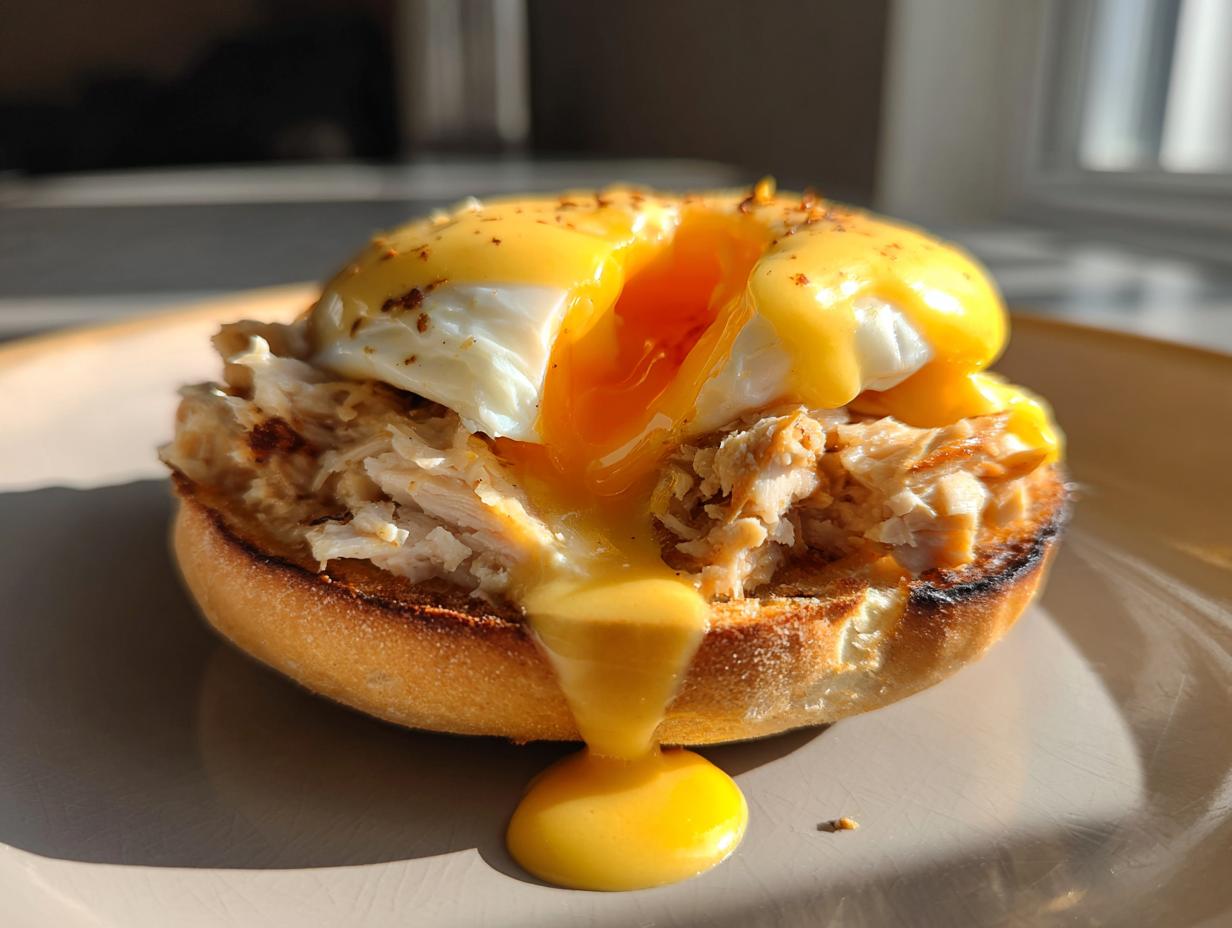
Look, brunch is fun, but runny sauce and rubbery eggs can ruin the whole vibe. After making this Chicken Benedict dozens of times for family brunches, I’ve learned a few tricks that keep everything perfect and stop those annoying little kitchen disasters. It’s all about temperature control and steady hands, honestly!
If you follow these little insights, your Benedict will look and taste like you spent all day on it, even though we know it comes together pretty fast. Trust me, these tips are keepers for any time you tackle hollandaise! For more brunch inspiration, check out my Pinterest boards.
Avoiding Common Hollandaise Pitfalls
The number one way people lose their hollandaise is adding the butter too fast or having it too hot. If your butter is sizzling when you drizzle it in, you’re basically making scrambled eggs with extra steps! You want that butter warm enough to stay liquid and emulsify, but never hot enough to cook the yolks. If you see the sauce start to separate or look oily, immediately take the bowl off the heat, add one *teaspoon* of warm water, and whisk like your life depends on it. That little bit of water often brings it right back together.
Achieving the Best Chicken Texture
The chicken is easy, but resting it makes a huge difference. When you pull those cutlets off the pan at 165°F, let them rest on a cutting board or warm plate for about five minutes before you slice them or place them on the muffin. This lets the juices redistribute throughout the meat instead of running out all over your plate when you cut into them. It keeps the chicken tender and juicy right up until you layer it under that egg. If you want more tips on cooking chicken perfectly, check out my guide on juicy baked chicken breasts.
Storage and Reheating Instructions for Leftover Chicken Benedict Components
Let’s be real: an assembled Chicken Benedict is not a dish that keeps well. The toasted muffin gets soggy fast, and the sauce just doesn’t like sitting around! So, if you happen to have leftovers—which is rare because this is so good—you have to store everything separately. This keeps the chicken juicy, the sauce usable, and the muffin ready for a quick re-toast.
The key here is temperature control and keeping the sauce away from high heat until the very last second. Remember, we made this for two, so leftovers are usually small, but knowing how to save them safely is important! If you are looking for other great chicken dishes, consider my loaded chicken salad recipe.
Storing Components Safely
The cooked chicken cutlets should be cooled down quickly and stored in an airtight container in the fridge; they’ll be good for about three days. The hollandaise sauce is trickier. You can keep it refrigerated for up to two days, but you must reheat it very gently. Never microwave the sauce! The raw eggs in it can separate easily. For the eggs, if you have any that weren’t poached, keep them raw in the shell in the fridge. If you have leftover poached eggs, they keep okay for a day, but they are best eaten fresh.
Table for Storage and Reheating
| Component | Storage Time (Refrigerated) | Reheating Method |
|---|---|---|
| Cooked Chicken Cutlets | Up to 3 days | Warm gently in a skillet with a splash of broth or water. |
| Hollandaise Sauce | Up to 2 days | Whisk gently over a bowl of warm (not hot) water until smooth. |
| English Muffins | Up to 4 days (Room Temp) | Toast again until crisp. |
Frequently Asked Questions About Chicken Benedict
I get so many questions about this recipe, especially since people are nervous about poaching eggs and making that temperamental hollandaise sauce. Don’t worry, these are the little hiccups I ran into when I first started perfecting my Chicken Benedict! Here are the most common things people ask me.
If you’ve got a question that isn’t covered here, please drop it in the comments below! I love helping fellow brunch enthusiasts get this right. For more general chicken cooking advice, see my collection of chicken recipes.
Can I make the hollandaise sauce ahead of time?
This is the million-dollar question! Technically, yes, you can make the sauce a few hours ahead, but you have to be super careful. If you make it and let it cool completely, it will become very thick and likely break when you try to reheat it. My advice? Make the sauce just before you plan to serve, or if you absolutely must make it early, keep it warm in a thermos or a sealed container placed in a pan of *very* warm, but not hot, water. Then, whisk it vigorously right before spooning it over your beautiful plate.
What is the best way to keep the cooked chicken warm?
Keeping the chicken warm without letting it dry out is key for a successful Chicken Benedict assembly. Don’t just leave it on the counter! Once the chicken hits 165°F, transfer it to a plate and loosely tent it with foil. Even better, if your oven is off or just barely warm (like 170°F), you can put the foiled plate in there while you poach the eggs and make the sauce. That gentle, dry heat keeps it ready without cooking it further.
Sharing Your Chicken Benedict Creation
Wow, you made it! I truly hope your weekend brunch was a roaring success. Once you’ve plated up that beautiful stack of chicken, egg, and creamy sunshine sauce, I’d absolutely love to know how it turned out. Did the yolks flow perfectly? Did the hollandaise stay smooth?
Tell me all about your experience making this Chicken Benedict in the comments below! Leave a rating so other home cooks can see how much flavor you packed onto that plate!
Print
Stunning Chicken Benedict: 4 Easy Steps
- Total Time: 35 minutes
- Yield: 2 servings 1x
- Diet: Low Fat
Description
This Chicken Benedict offers a refined brunch experience featuring juicy chicken, perfectly poached eggs, and creamy homemade hollandaise sauce. It is a savory alternative to traditional Benedicts.
Ingredients
- 2 boneless skinless chicken breast cutlets (about 6 ounces each, three quarters inch thick)
- 1 tablespoon olive oil
- 1 teaspoon kosher salt
- 1 half teaspoon black pepper
- 1 half teaspoon garlic powder
- 3 large egg yolks
- 1 tablespoon lemon juice
- 1 half cup unsalted butter, melted and warm
- 1 quarter teaspoon kosher salt (for sauce)
- 4 large eggs
- 2 plain English muffins, split and toasted
Instructions
- Season chicken cutlets with salt, black pepper, and garlic powder.
- Heat olive oil in a skillet over medium heat.
- Cook chicken 5 to 6 minutes per side until golden and the thickest part reaches 165°F.
- Transfer chicken to a plate and keep warm.
- Fill a saucepan with water and bring to a gentle simmer.
- Crack eggs one at a time into the simmering water and poach 3 to 4 minutes until whites set and yolks remain soft.
- Remove eggs with a slotted spoon and drain briefly.
- To make hollandaise, whisk egg yolks and lemon juice in a heatproof bowl.
- Set the bowl over gently simmering water and whisk constantly until the mixture thickens.
- Slowly drizzle in the warm butter while whisking until the sauce is smooth; whisk in the quarter teaspoon of salt.
- Place toasted English muffins on plates, top each with a chicken portion, a poached egg, and spoon hollandaise over the top.
- Serve immediately.
Notes
- For the chicken, using a meat thermometer to confirm 165°F internal temperature is important for food safety.
- Ensure the butter is warm, not hot, when adding it to the hollandaise to prevent the sauce from breaking.
- Fresh lemon juice provides the best flavor for the hollandaise.
- Prep Time: 15 minutes
- Cook Time: 20 minutes
- Category: Brunch
- Method: Pan-fry and Poaching
- Cuisine: American
Nutrition
- Serving Size: 1 serving
- Calories: 620
- Sugar: Unknown
- Sodium: Unknown
- Fat: 38 g
- Saturated Fat: Unknown
- Unsaturated Fat: Unknown
- Trans Fat: Unknown
- Carbohydrates: 30 g
- Fiber: Unknown
- Protein: 38 g
- Cholesterol: Unknown