Skip to content

If you’re looking for a meal that tastes like you spent hours over the stove but actually takes under 35 minutes, then Pan-Roasted Chicken Radishes Peas is about to become your best friend. I’m Anna, and I’m obsessed with finding simple, joyful ways to get flavorful food on the table, especially when it comes to chicken! This recipe is pure magic because it uses one skillet: crispy skin on those bone-in thighs, tender-firm radishes, and sweet pops of peas, all cooked together in rendered fat.
We’re using chicken thighs here because they give you that incredible flavor boost that just screams comfort food, even though we are leaning into bright spring vegetables. Trust me, you won’t believe how quickly this comes together for a busy weeknight. Let’s get cooking!
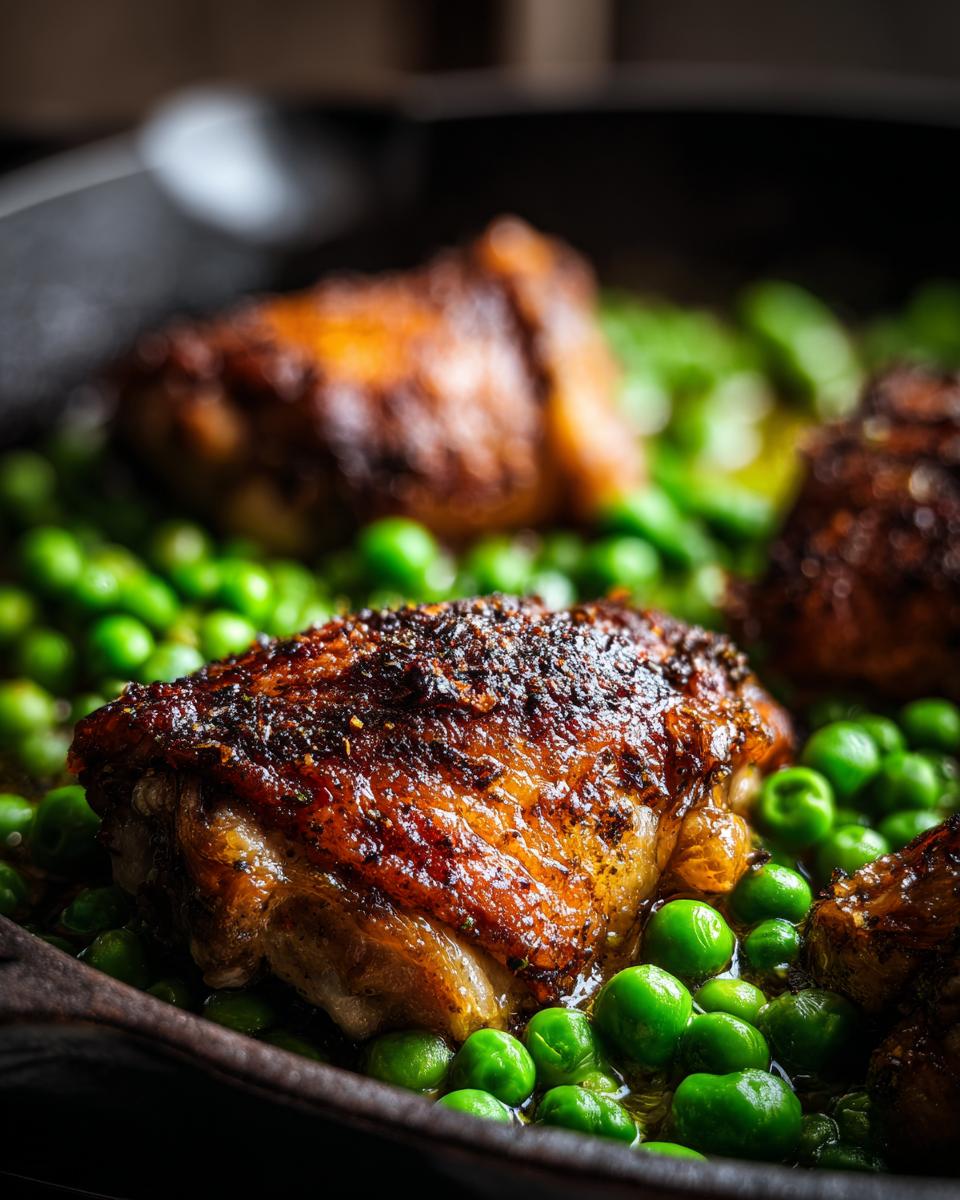
Table Of content
Gather Your Ingredients for Pan-Roasted Chicken Radishes Peas
Okay, busy cooks, listen up! This is the beauty of the one-skillet meal: minimal cleanup, maximum flavor. We’re keeping things super straightforward here, so you can grab everything and be ready to roll in about ten minutes. Seriously, prep time is a breeze. I always lay everything out on the counter before I even turn on the stove—it makes the cooking process smooth as butter.
Don’t stress about hunting down fancy ingredients; this relies on simple, great components. I’ve detailed everything you need below in the list, but let’s talk about why we’re using what we’re using. That way, you know exactly what magic you’re creating!
Essential Components for Pan-Roasted Chicken Radishes Peas
The star, without a doubt, is the chicken. You absolutely must use bone-in, skin-on chicken thighs here. They hold up beautifully to the pan-roasting, and that skin renders out the fat we use to cook our vegetables later. It’s flavor insurance! Make sure you trim off any excess floppy skin or gnarled bits from the radishes before you start.
For the vegetables, we’re keeping it seasonal and bright with fresh peas—if you use frozen, just make sure they are thawed first. The radishes cook down surprisingly well; they lose that sharp bite and become earthy and tender-firm. And don’t skip the shallot; it’s much milder than an onion and really complements the lemon at the end.
Equipment Needed for This One-Skillet Meal
Since this is a fast pan-roast, you need the right tool for the job. Forget flimsy pans! You want a large, sturdy skillet—one that can handle medium-high heat and is big enough that your chicken isn’t completely crowded in there. If everything is crammed, the skin won’t get crispy, and that’s a tragedy.
You’ll need a good pair of tongs for flipping the chicken and turning those vegetables. And this is non-negotiable for chicken: you must have a reliable instant-read meat thermometer. We aren’t guessing when it comes to chicken safety, right?
Preparing for Perfect Pan-Roasted Chicken Radishes Peas
Before we even think about turning on the heat, we have to do the prep work, and this is where most people rush, but trust me, it’s worth the extra minute! The most important thing you can do for crispy chicken skin is to dry it out completely. Seriously, grab a few paper towels and pat those thighs down until they feel almost suede-like. Any moisture left on the skin turns into steam, and steam equals soggy skin—and we want crunch!
Once they are bone-dry, we move straight into seasoning. This recipe uses a divided salt approach, meaning we use most of the salt upfront to season the meat deeply, and we save a tiny bit for seasoning the vegetables later on. It keeps everything balanced.
Seasoning the Chicken for Maximum Flavor
Take your dried chicken thighs and sprinkle them generously. You want about three-quarters of a teaspoon of salt right onto the skin and the meatier side. Then, hit them with pepper and that lovely dried thyme. I love dried thyme here because it toasts up nicely in the hot oil and releases this wonderful, earthy aroma.
If you happen to have fresh thyme on hand, feel free to use about a teaspoon of fresh leaves instead, but keep in mind that dried herbs are more concentrated. Make sure you rub the seasonings in everywhere—under the skin flap, around the edges. We want flavor in every single bite of this skillet chicken!
Mastering the Sear: Cooking the Chicken
Now for the fun part—getting that gorgeous, deep brown color and crispy texture! Remember how we patted the chicken dry? This step pays off right now. We need to heat up a large skillet over medium-high heat. You’ll add just one tablespoon of olive oil. We want the oil hot enough that it shimmers slightly, but not smoking furiously. That’s the sweet spot!
Gently place the seasoned chicken thighs in the pan, skin-side down. And here is my biggest rule for searing: Do not touch them! I know it’s tempting to peek or nudge them around, but resist that urge for a full six minutes. Moving them too soon rips off the crispy bits we’re trying to build. Let the heat do the work and render that fat slowly.
Achieving Golden Skin on the Chicken
After six minutes of undisturbed searing, you should see the skin looking beautifully golden brown. Now you can flip them over. Cook the second side for about five more minutes. This is just to start browning the bottom and cooking the meat a little more evenly before we introduce the vegetables.
Once both sides have a nice color, we turn the heat down to medium. We aren’t worried about the final internal temperature yet; that comes right at the very end. For now, we just want that amazing crust established before we move the chicken to the side to make room for the spring vegetables!
Integrating Vegetables into Your Pan-Roasted Chicken Radishes Peas
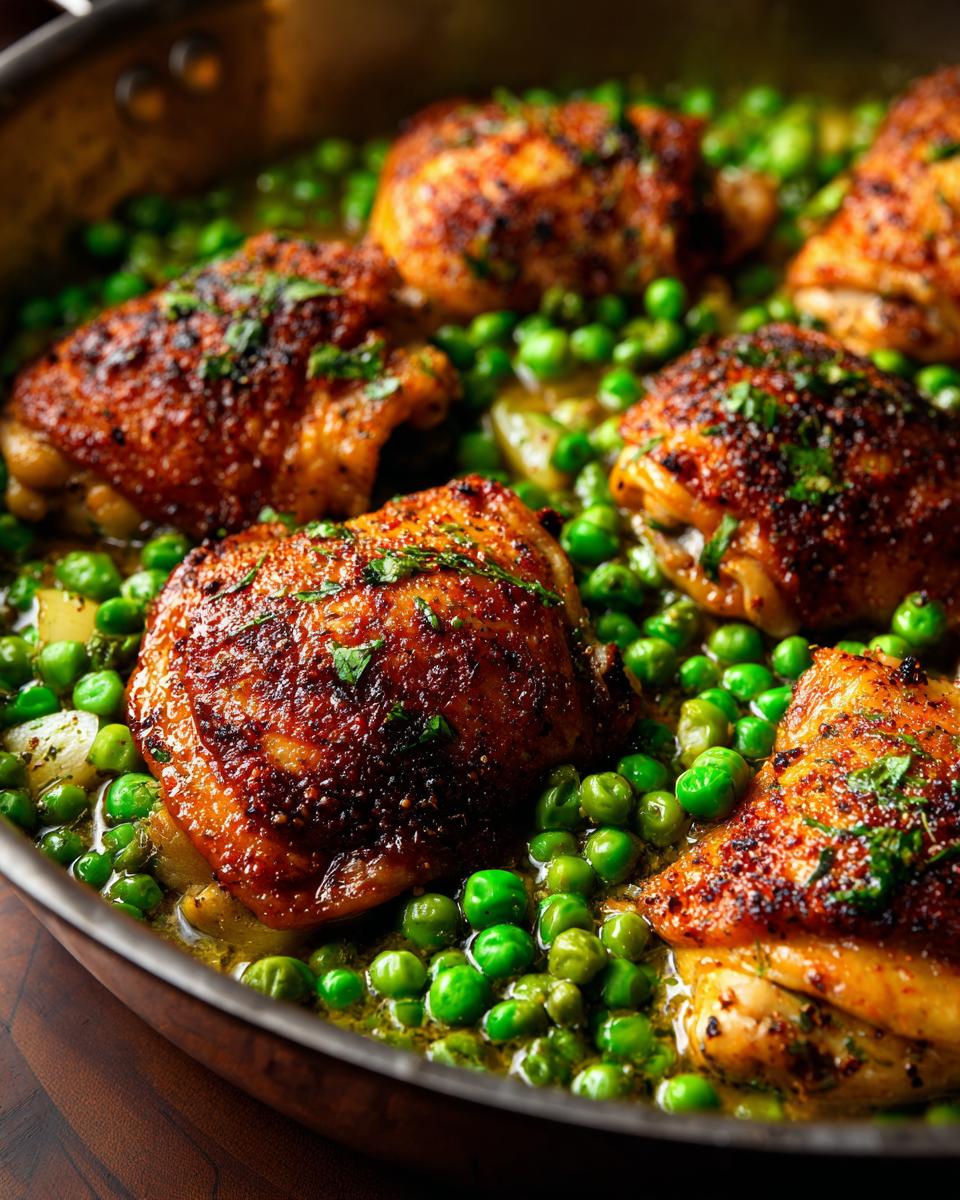
The chicken is beautifully browned and resting on one side of the skillet, which is fantastic because now we get to use all that rendered chicken fat—liquid gold! Turn the heat down just slightly to medium. We aren’t trying to burn anything now; we want to gently coax the vegetables into tenderness.
Add that remaining tablespoon of olive oil to the empty space in the pan, and toss in your trimmed radishes and the thinly sliced shallot. We cook these first for about four minutes, turning them every so often with your tongs. This lets the radishes soak up all that rich chicken flavor we just created. It’s amazing how roasting transforms radishes; they stop being spicy and start tasting almost sweet and earthy.
Cooking Radishes and Shallots Until Tender-Firm
Keep them moving so they color evenly in that lovely fat. You’re aiming for them to be tender-firm—meaning they have some give when you poke them with a fork, but they still have a little bite left. We don’t want them mushy later!
Once the radishes look ready, it’s time to bring in the aromatics and the final burst of green. Push the chicken and the radishes slightly apart again to make a small clearing in the center of the pan.
Finishing the Peas and Aromatics
Toss in your minced garlic and the fresh peas—don’t add the garlic too early or it will burn! Stir the garlic and peas together quickly. This is also the moment to add that tiny remaining pinch of salt to season these vegetables specifically. Cook everything together for just three more minutes. You’ll know the peas are done when they turn this incredibly vibrant, bright green color. They should look happy and fresh, not dull!
Creating the Simple Pan Sauce for Pan-Roasted Chicken Radishes Peas
We are almost there! The chicken is nearly done, and the vegetables are tender-firm. Now we make the sauce, which is honestly just a quick drizzle of richness that ties everything together. Turn the heat down to low at this stage; we don’t want to scorch the butter.
Dot the pan with that tablespoon of cold butter right over the vegetables and chicken. Immediately follow it with the fresh squeeze of lemon juice. The acid from the lemon plus the fat from the butter and chicken creates magic! Use your tongs to gently toss everything together—swirl the pan, scrape up any browned bits from the bottom. This process, called emulsifying, thickens the liquid slightly into a beautiful, light sauce.
Final Temperature Check for Food Safety
While you’re swirling, this is the perfect time to check that chicken! Since we are dealing with bone-in thighs, we need to be absolutely certain they are cooked through for safety. Slide your instant-read thermometer into the thickest part of the thigh, avoiding the bone. We need to see 165 degrees Fahrenheit, or 74 degrees Celsius. Don’t rely on color! The thermometer is your best friend here for peace of mind.
Resting the Pan-Roasted Chicken Radishes Peas
Once that temperature is hit, pull the whole skillet off the heat immediately. The residual heat will keep cooking it slightly, which is why we rest it. Let the pan sit undisturbed for about three minutes before you serve it up. This resting period allows the juices inside the chicken thighs to redistribute, ensuring every piece is tender and moist when you finally cut into it. Don’t skip this short rest!
Frequently Asked Questions About Pan-Roasted Chicken Radishes Peas
I get so many questions about this recipe because it’s so flexible, but sometimes people worry about swapping things out. It’s such a fantastic way to use up those early spring vegetables! Here are a few things folks ask me most often about making this skillet chicken. If you want more inspiration for quick meals, check out our Pinterest board!
Can I Substitute the Chicken Thighs?
You sure can substitute, but you have to be mindful of the cooking time. Bone-in, skin-on thighs are my favorite because they have more fat to flavor the veggies. If you use bone-in chicken breasts, they are thicker, so you’ll need to cook them longer in the pan, possibly needing a few minutes covered to finish cooking internally. Boneless thighs are faster but won’t give you that same depth of rendered fat.
Why Are My Radishes Not Soft?
If your radishes are still too crunchy, it usually comes down to two things: either your heat was too high, causing them to brown quickly on the outside before softening inside, or you didn’t give them enough time nestled in that rendered chicken fat. Remember, roasting softens them beautifully. Make sure you keep the heat at medium after the initial sear and let them cook undisturbed for those initial four minutes.
Is This Recipe Good for Meal Prep?
Yes, this is surprisingly good for meal prep! Since we are using bone-in thighs, the meat stays nice and moist. I usually store the chicken and veggies together, but I always keep the lemon juice and butter sauce separate. When you reheat it in a pan or the microwave, just drizzle a tiny bit of fresh lemon juice over the top to wake everything up again!
Storing and Reheating Your Pan-Roasted Chicken Radishes Peas
This dish holds up really well as leftovers, which is a huge win for busy folks like us! Because we are using bone-in chicken, it tends to stay juicier than breasts do when stored. Make sure that once the pan has cooled down completely, you transfer the chicken and vegetables into an airtight container. Keep it in the fridge, and it should be good for about three days.
When it comes time to reheat, I strongly recommend using a skillet on the stovetop over the microwave if you can. The microwave tends to steam the crispy skin right off, and we worked hard for that texture! If you use a skillet, use medium-low heat and add just a tiny splash of water or chicken broth to prevent sticking.
| Storage Method | Reheating Tip |
|---|---|
| Airtight Container | Stovetop (medium-low heat) is best for crispness. |
| Refrigerate | Microwave works in a pinch; cover loosely. |
| Consume within 3 Days | Add a fresh squeeze of lemon after reheating. |
Share Your Success with This Pan-Roasted Chicken Radishes Peas Recipe
I truly hope this quick skillet chicken brightens up one of your busy evenings! If you made this Pan-Roasted Chicken Radishes Peas and loved how simple it was, please let me know! Drop a rating below or tell me what you thought about those roasted radishes—I love hearing how this recipe works in your kitchen!
Share Your Success with This Pan-Roasted Chicken Radishes Peas Recipe
I truly hope this quick skillet chicken brightens up one of your busy evenings! If you made this Pan-Roasted Chicken Radishes Peas and loved how simple it was, please let me know! Drop a rating below or tell me what you thought about those roasted radishes—I love hearing how this recipe works in your kitchen!
Print
Pan-Roasted Chicken Radishes Peas Magic 35 Min
- Total Time: 35 minutes
- Yield: 4 servings 1x
- Diet: Low Fat
Description
Pan-Roasted Chicken with Radishes and Peas delivers a bright, seasonal flavor using bone-in chicken thighs, tender radishes, and sweet peas in one skillet. This quick meal cooks fast, offering crispy chicken skin and flavorful vegetables cooked in rendered fat.
Ingredients
- 2 pounds bone-in skin-on chicken thighs (about ¾-inch thick at thickest part)
- 1 teaspoon salt divided
- ½ teaspoon black pepper
- 1 teaspoon dried thyme
- 2 tablespoons olive oil divided
- 1 pound radishes trimmed halved
- 1 ½ cups fresh peas or frozen thawed
- 1 small shallot sliced thin
- 2 garlic cloves minced
- 1 tablespoon butter
- 1 lemon juiced
Instructions
- Pat chicken dry. Season with ¾ teaspoon salt, pepper, and thyme.
- Heat 1 tablespoon olive oil in a large skillet over medium-high heat.
- Add chicken skin-side down. Cook undisturbed for 6 minutes until golden. Flip and cook 5 minutes more until browned.
- Reduce heat to medium. Push chicken to the side. Add the remaining 1 tablespoon oil, radishes, and shallot. Cook for 4 minutes, turning vegetables occasionally.
- Stir in garlic, peas, and the remaining ¼ teaspoon salt. Cook for 3 minutes until peas are bright and radishes are tender-firm.
- Dot with butter and lemon juice. Cook for 2 minutes until the sauce emulsifies. Check that the chicken reaches 165°F internally in the thickest part.
- Remove from heat and rest for 3 minutes before serving.
Notes
- Always cook chicken to 165°F internal temperature to guarantee food safety.
- Radishes become mild and tender when roasted.
- Peas provide a sweet burst of flavor.
- Prep Time: 10 minutes
- Cook Time: 25 minutes
- Category: Main Dish
- Method: Pan-Roasting
- Cuisine: American
Nutrition
- Serving Size: 1 serving
- Calories: 480
- Sugar: Unknown
- Sodium: Unknown
- Fat: 28g
- Saturated Fat: Unknown
- Unsaturated Fat: Unknown
- Trans Fat: Unknown
- Carbohydrates: 12g
- Fiber: Unknown
- Protein: 42g
- Cholesterol: Unknown