Skip to content

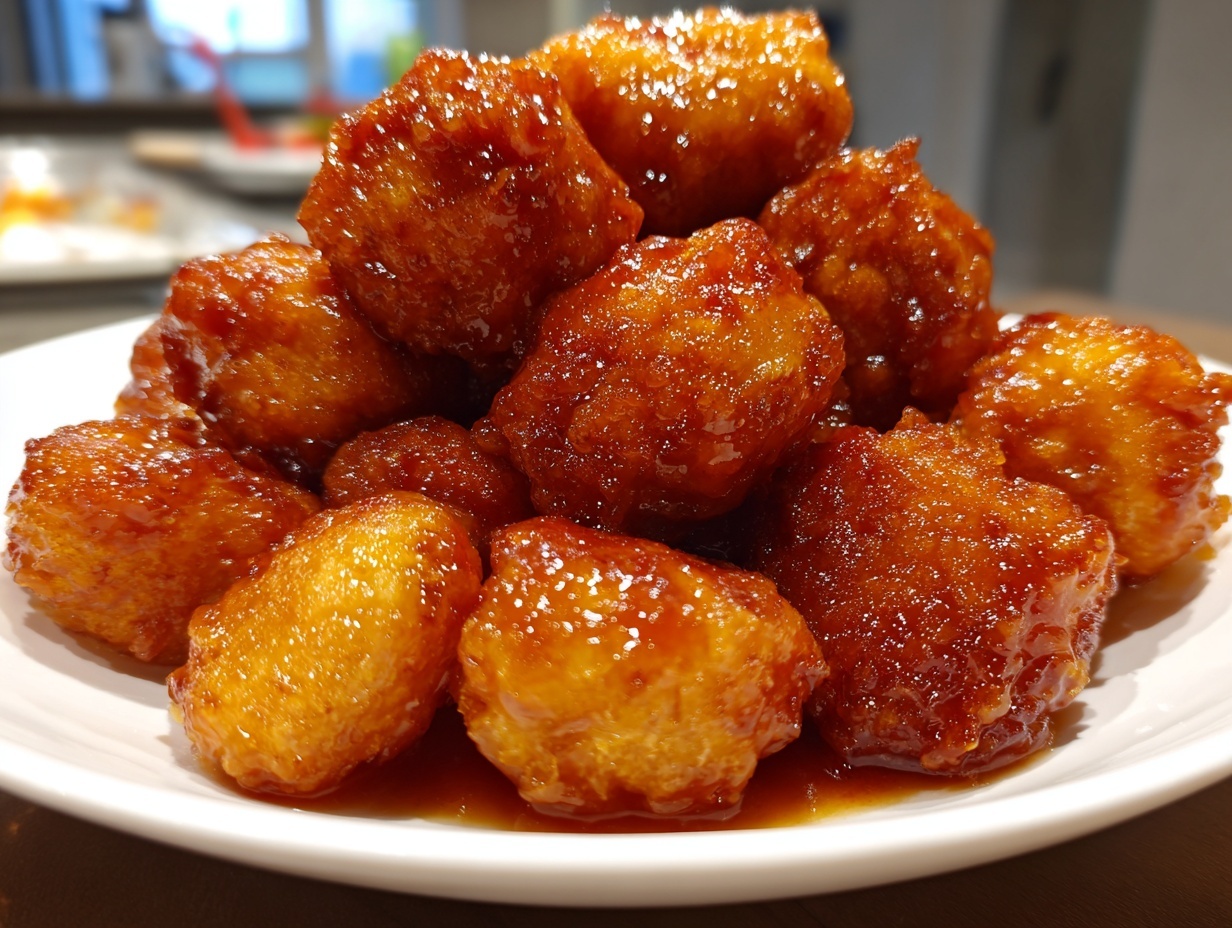
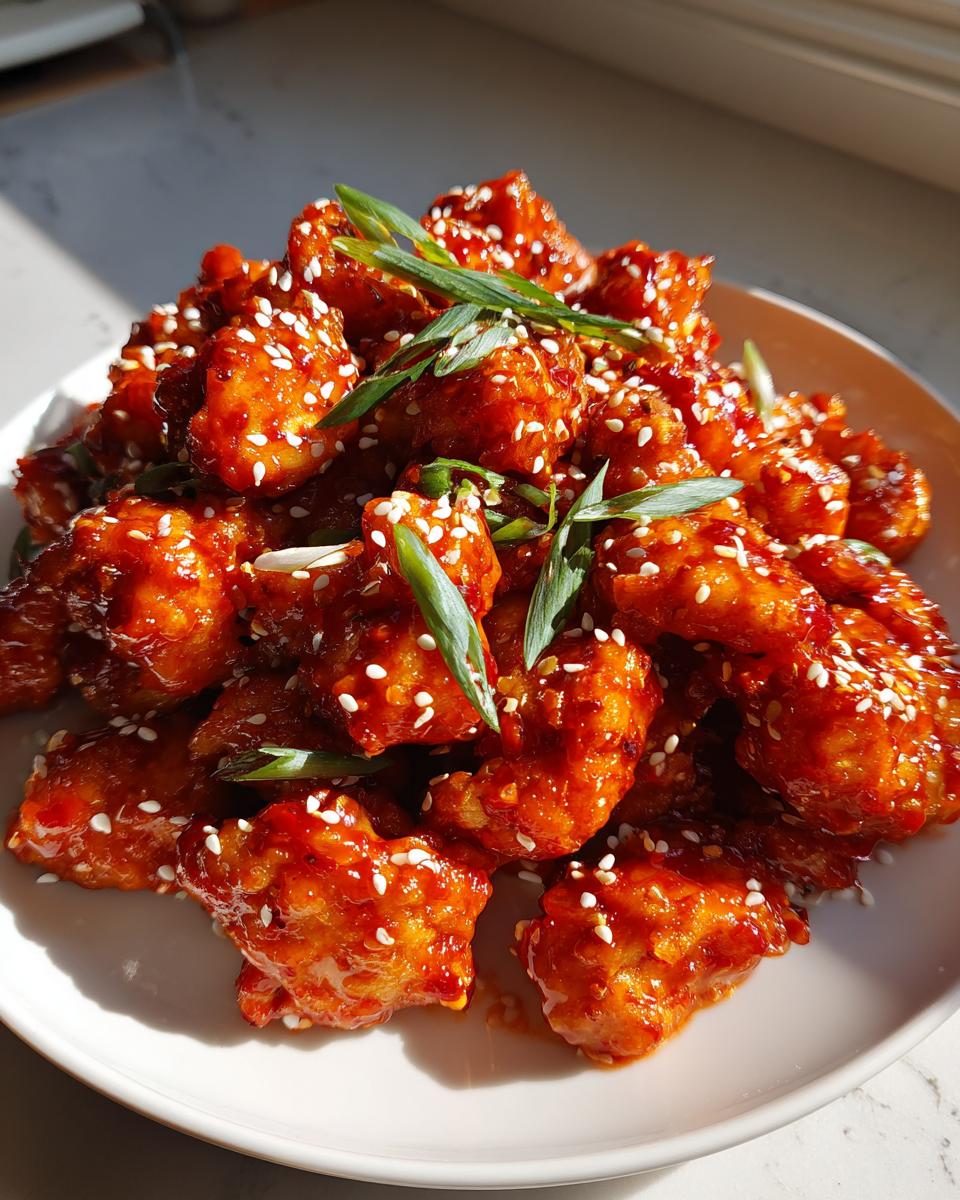
If you are staring down the barrel of another weeknight dinner dilemma, let me introduce you to your new best friend: Spicy Korean Chicken. Seriously, this recipe is a game-changer. We’re talking tender chicken pieces absolutely drenched in a sticky, sweet, and spicy gochujang glaze that tastes like it took hours, but it truly comes together in about 15 minutes flat. Wow!
I’m Anna, and I’m a passionate food lover who believes that dinner shouldn’t be stressful. I focus on sharing simple and flavorful chicken recipes to make everyday cooking easier and way more joyful for you. This Spicy Korean Chicken skillet is my go-to when takeout cravings hit hard. Forget delivery—we’re making better, faster, and stickier chicken right here, right now.
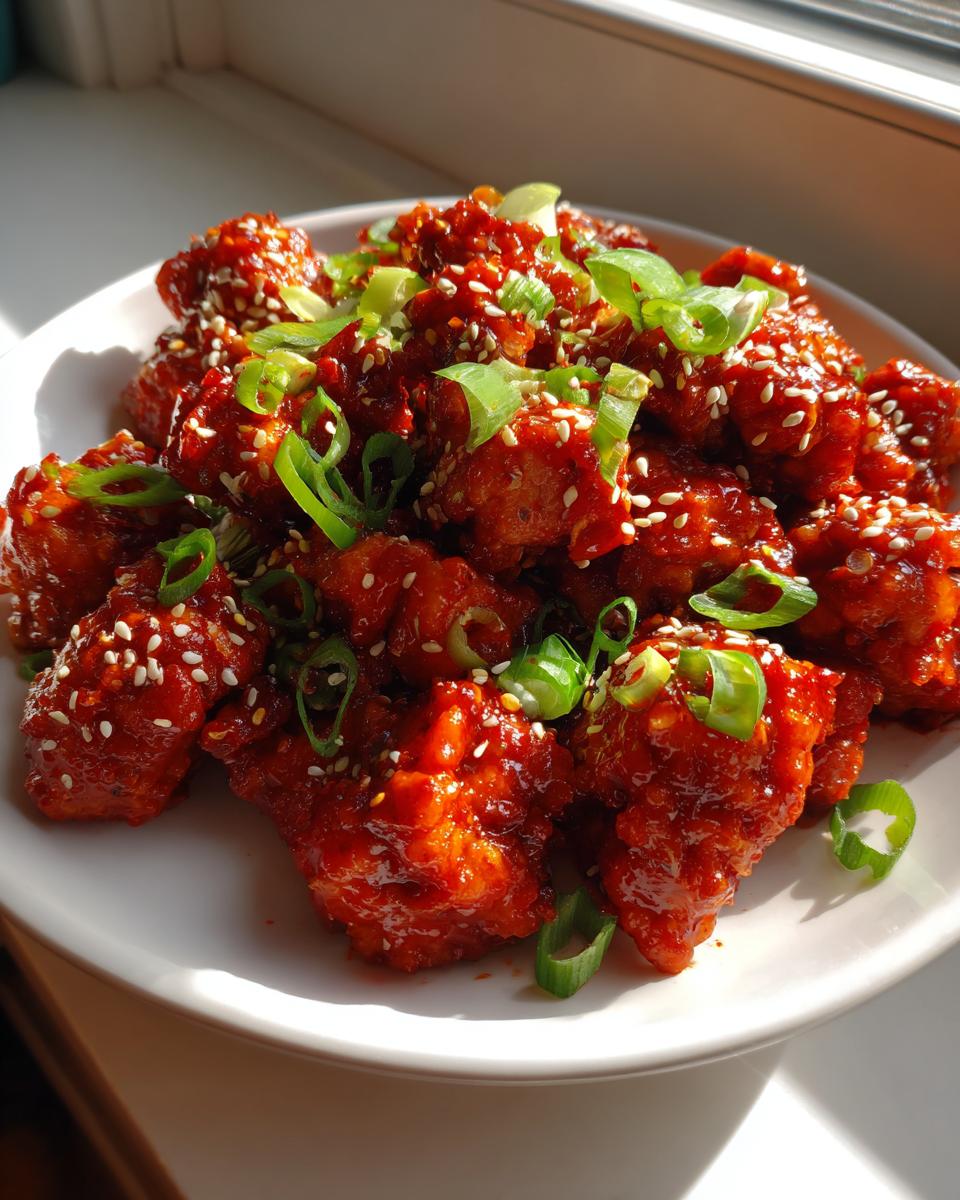
Table Of content
Gathering What You Need for Spicy Korean Chicken
Okay, so for this Spicy Korean Chicken to come together so fast, we need everything prepped and ready to go before the heat even hits the pan. That’s the secret to any quick skillet meal, trust me! The flavor profile here is all about balancing that beautiful heat from the gochujang with salty, sweet, and tangy notes. Don’t stress if you don’t have every single item; we’ll talk about swaps later, but for the first try, stick close to these amounts for that perfect sticky glaze.
We’re using chicken breasts here because they cook quickly, but I always keep chicken thighs in my back pocket for when I want extra juiciness. Have all your wet ingredients measured out and your garlic minced before you even think about turning on the stove. A little organization goes a long way when you only have 15 minutes to cook!
The Essential Ingredients for Spicy Korean Chicken
Here is what you’ll need to grab from the pantry and fridge. We are making enough sauce here to really coat that chicken well, so measure carefully!
| Item | Amount |
|---|---|
| Gochujang Sauce | 1/3 cup |
| Reduced-Sodium Soy Sauce | 1/4 cup |
| Sesame Oil | 2 tablespoons |
| Rice Vinegar | 2 tablespoons |
| Light Brown Sugar (packed) | 2 tablespoons |
| Ground Ginger | 2 teaspoons |
| Garlic (minced) | 4 to 5 cloves |
| Boneless, Skinless Chicken Breasts | 1 1/2 pounds, diced |
| Olive Oil | 2 tablespoons |
| Cornstarch Slurry (1 tsp cornstarch + 1 tsp cold water) | As needed |
Equipment Needed for Quick Cooking
You don’t need fancy gadgets for this one, thank goodness. Grab your sturdiest large skillet—cast iron is wonderful if you have one! You’ll also need a good whisk for making the sauce smoothly, a slotted spoon for moving the chicken in and out of the pan, and a small bowl to mix that cornstarch slurry right at the end.
Mastering the Spicy Korean Chicken Marinade
This is where the flavor magic starts happening before the chicken even hits the heat! We need to build a sauce that is balanced—salty, sweet, spicy, and tangy all at once. Don’t rush this part, even though the rest of the cooking is super fast. A good marinade infuses the chicken with that deep, complex flavor that makes this Spicy Korean Chicken taste like it came from a fantastic Korean restaurant.
Once the sauce is ready, it needs a little time to get acquainted with the chicken. This resting period is crucial for tenderizing the meat just a bit and ensuring every little diced piece is ready to caramelize beautifully in the skillet.
Building the Gochujang Glaze Base
Grab that bowl where you measured everything out. Now, you take your whisk—none of that lazy spoon stirring! You want to really incorporate everything together until that brown sugar dissolves completely into the gochujang sauce, soy sauce, sesame oil, rice vinegar, ginger, and all that minced garlic. Keep whisking until it looks uniform and glossy. You shouldn’t see any dry pockets of brown sugar hiding at the bottom. If you are using dried ginger instead of fresh, just reduce it slightly because dried spices are often more concentrated.
Marinating the Chicken Pieces
Now, dump those perfectly diced chicken pieces right into that gorgeous, deep red marinade. Use tongs or a clean hand to toss everything around until every single cube of chicken is coated in that sticky mixture. We need the chicken to hang out in the fridge, or even just on the counter if you’re really running short on time, for at least 15 minutes. Seriously, 15 minutes is the absolute minimum for this quick marinade to work its charm. If you can manage 30 minutes? Even better!
Cooking Your Spicy Korean Chicken Skillet
Alright, time to make some noise in the kitchen! Since this is a 15-minute meal, we have to move quickly here, but we cannot sacrifice that beautiful sear. That caramelization on the chicken is what gives the final dish such incredible depth of flavor. Make sure your skillet is ready before you even start scooping chicken out of the marinade bowl. We want that sizzle right away!
Remember, we are cooking four servings here, so we need to work in batches if your skillet isn’t huge, or you risk steaming the chicken instead of searing it. Steamed chicken is sad chicken, and we don’t do sad chicken in this kitchen!
Searing the Chicken for Flavor
Get your olive oil heating up in that large skillet over medium-high heat. You want it shimmering, almost smoking a little—that’s how you know it’s hot enough for a proper sear. Now, here’s a crucial step for that sticky finish: use a slotted spoon to transfer the marinated chicken into the hot pan. Really shake off any extra marinade dripping off those pieces. We save that extra sauce, but we don’t want it flooding the pan right now, or the chicken won’t brown.
Cook the chicken for about five to seven minutes, stirring it around every minute or so. You are looking for nice golden-brown edges. And please, please, use your instant-read thermometer! Chicken must reach an internal temperature of 165°F (74°C) to be safe. Once it hits that mark, pull the chicken out of the pan using your slotted spoon and set it aside in a clean bowl. Don’t wipe out the pan; all those brown bits are flavor gold!
Thickening the Sticky Spicy Korean Chicken Sauce
Now for the grand finale of the cooking process! Take that reserved marinade you set aside earlier—yes, the raw stuff—and pour it right into the hot skillet where the chicken was. Turn the heat up a touch and let it come to a nice, happy simmer. Watch it bubble for maybe a minute; it will smell incredible!
Next, quickly whisk your cornstarch slurry (that teaspoon of cornstarch mixed with cold water) until it’s totally smooth. Slowly drizzle that slurry into the simmering sauce while stirring constantly. Keep stirring! In just one to two minutes, you’ll see that thin liquid turn into a thick, glossy glaze that clings beautifully to the back of a spoon. That’s the texture we want! Once it’s thick, immediately turn off the heat, toss your cooked chicken back in, and stir it until every piece of Spicy Korean Chicken is coated in that delicious, spicy blanket.
Tips for Perfect Spicy Korean Chicken Results
Even though this recipe is incredibly fast, paying attention to a few details makes the difference between good chicken and truly restaurant-quality Spicy Korean Chicken. Over the years, I’ve learned a few tricks that always guarantee juicy meat and that perfect, clingy glaze. Trust me, these small adjustments are worth the extra second of thought!
We want every home cook to feel confident making this, so don’t be afraid to tweak things slightly to fit what you have on hand or what your family likes best. That’s what cooking is all about—making a recipe truly yours.
Ingredient Swaps for Flexibility
If you find chicken breasts tend to dry out on you, switch to boneless, skinless chicken thighs next time. They have a bit more fat, which means they stay juicier even if you accidentally leave them on the heat for an extra minute—a mistake we’ve all made! Also, if you run out of brown sugar, you can absolutely swap it for an equal amount of honey or maple syrup. Just know that honey might make the glaze slightly runnier, so you might need just a tiny bit more cornstarch slurry at the end to thicken it back up.
Adjusting Spice Level and Texture
The real star, and the easiest thing to adjust, is that gochujang paste. If you love heat like I do, feel free to add another tablespoon of gochujang. If you’re cooking for sensitive palates, pull back to just two tablespoons and taste the marinade before you add the chicken. For texture, cutting the chicken into pieces that are as close to the same size as possible is vital. Uniform pieces cook evenly, ensuring you don’t have some cubes that are raw while others are overcooked. It really helps achieve that perfect, quick sear we talked about!
What to Serve With Your Meal
This Spicy Korean Chicken is so intensely flavored that it really shines when served over something neutral that can soak up all that extra sticky glaze. Since this is meant to be a speedy dinner, we want our side dishes to be just as easy to prepare as the main event. Think simple accompaniments that balance the richness and the spice perfectly!
You don’t want to spend an extra 30 minutes cooking when the chicken itself took less than 15! Keep it focused on quick steaming or fast sautéing options.
Serving Options for Every Preference
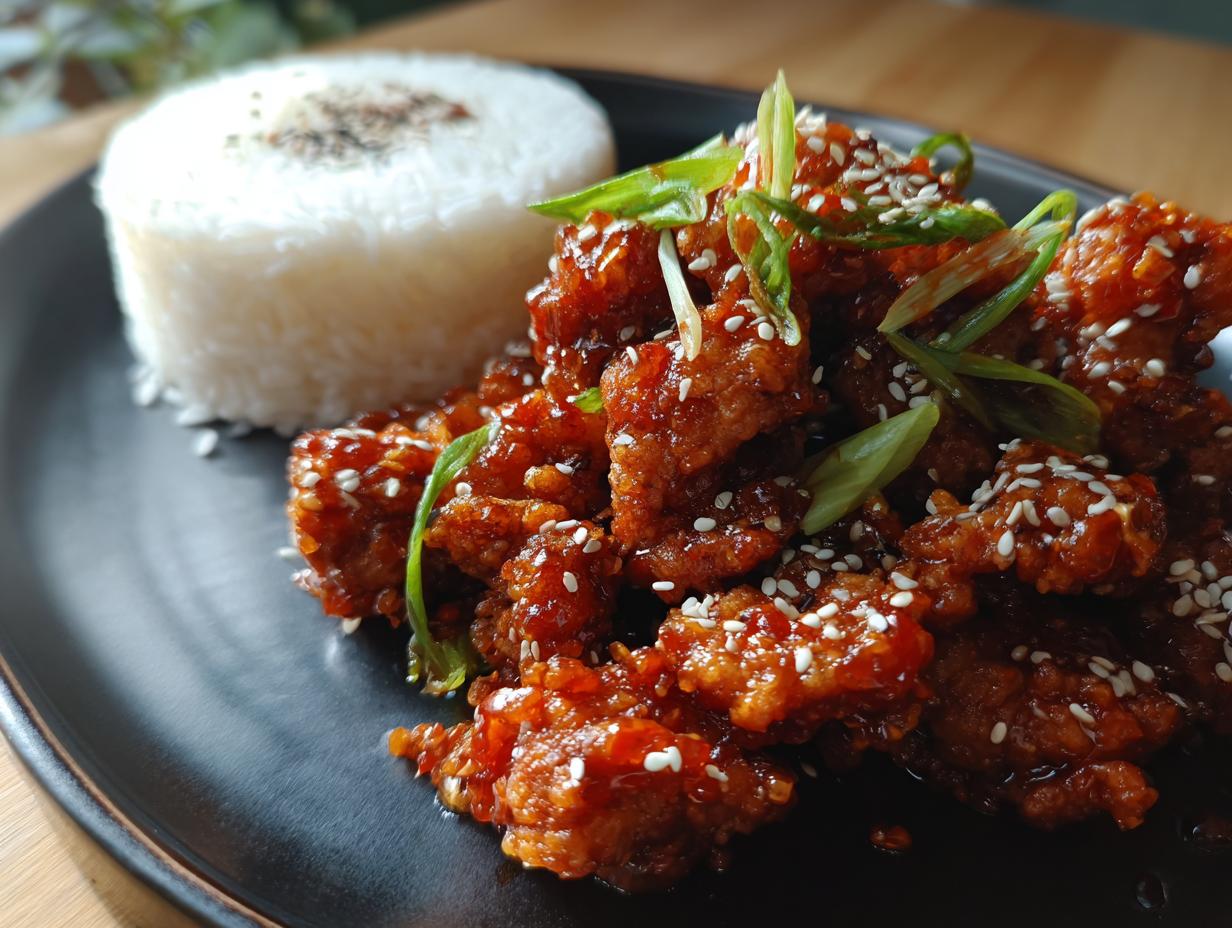
The classic pairing, and my personal favorite, is simple steamed white rice. It’s the perfect vehicle for that glossy sauce. If you’re watching carbs, don’t worry, we have options! You can easily serve this chicken tucked into crisp lettuce cups—it keeps the whole meal feeling light and fresh. Another great trick is to toss some quick-cooking veggies right into the skillet when you add the chicken back in at the end. Diced bell peppers or little broccoli florets only need a minute or two steaming in the sauce to become tender-crisp and add some much-needed color to your plate.
Storing and Reheating Leftovers for Spicy Korean Chicken
One of the best parts about making a batch of this flavorful chicken is that it tastes amazing the next day, too! It’s perfect for packing up for lunch or having a super easy dinner ready to go. We need to handle leftovers correctly, though, especially with that sticky glaze involved. Nobody wants mushy chicken or worries about food safety!
When cooling down the Spicy Korean Chicken, always let it sit on the counter for just a short time—maybe 20 minutes—to lose that initial scorching heat, but don’t leave it out for hours. We want to lock in that fantastic flavor profile as quickly as possible! If you want to save this recipe for later, you can find more great ideas on Pinterest.
Best Practices for Keeping Spicy Korean Chicken Fresh
The key here is an airtight container. Make sure you get as much of that thick glaze packed with the chicken as possible because that’s where all the flavor lives! Pop the container into the refrigerator right away. Stored correctly in an airtight container in the fridge, this chicken stays safe and tastes great for up to four days. When reheating, I like to splash just a tiny bit of water or chicken broth into the pan when I warm it up over medium heat. This helps loosen the glaze so it doesn’t burn on the bottom of the skillet while everything heats through evenly.
Frequently Asked Questions About This Spicy Korean Chicken Recipe
I get so many questions about how to make this Spicy Korean Chicken work perfectly in different kitchens, and honestly, I love hearing how you all are adapting it! Since speed is the main selling point here, people often ask about prep timing. Here are the top things I hear, and my best advice based on making this dozens of times now.
Can I make the glaze ahead of time?
Absolutely, you totally can! The glaze base itself—everything except the cornstarch slurry—mixes up beautifully ahead of time. I usually make a double batch of the sauce mixture (gochujang, soy sauce, sugar, aromatics) and keep it sealed tight in a jar in the fridge for up to a week. When you’re ready to cook, just whisk in your cornstarch slurry right before you add the chicken to the hot pan. This makes your 15-minute cook time even closer to 10 minutes of actual active cooking!
What if I don’t have gochujang?
This is a tough one because gochujang is really the heart and soul of this dish! It provides that unique fermented depth along with the heat. If you absolutely cannot find it, you need a good, thick chili paste that has some sweetness. You could try mixing Sriracha with a spoonful of miso paste and a touch of brown sugar, but honestly, it won’t taste exactly the same. Gochujang is worth seeking out if you plan on making Asian-inspired meals often because it’s so versatile. If you are looking for other quick chicken ideas, check out this skillet bang bang chicken thighs recipe.
How do I ensure the chicken stays moist?
Moisture comes down to two things: how you cut it and how you cook it. First, make sure those chicken pieces are uniform in size—this ensures they all hit that safe 165°F (74°C) temperature at the same time, preventing some pieces from overcooking while you wait for others. Second, if you are worried about dryness, swap those breasts out for boneless, skinless chicken thighs. Thighs are much more forgiving and stay wonderfully juicy even if you get distracted by the phone ringing! For more juicy chicken options, take a look at our easy creamy oven baked chicken thighs recipe.
Nutritional Snapshot
Since we are moving so fast with this recipe, sometimes we forget about the numbers, but it’s good to know what you’re eating! Keep in mind that these figures are just estimates based on the main ingredients for four servings. How you serve it (rice versus lettuce wraps) will change these numbers a lot!
Estimated Nutritional Breakdown
This breakdown is based on serving size being one of the four portions, without added rice or sides.
| Nutrient | Amount |
|---|---|
| Calories | 320 |
| Protein | 35g |
| Fat | 14g |
| Carbohydrates | 12g |
Remember, this is just an estimate, so treat it as a general guide! If you are interested in other quick chicken meals, you might enjoy this Hawaiian style teriyaki chicken.
Share Your Spicy Korean Chicken Experience
I truly hope this fast and fiery dish becomes a staple on your table just like it is on mine! I put a lot of love into making this perfect for busy weeknights. Now I want to hear from you. Did you try adding extra spice? Did you use chicken thighs? Drop a rating below using those little stars, and leave a comment telling me how your Spicy Korean Chicken turned out. Happy cooking, friends!
Print
Spicy Korean Chicken: 15 Minute Flavor Bomb
- Total Time: 15 minutes
- Yield: 4 servings 1x
- Diet: Low Fat
Description
Spicy Korean Chicken skillet offers a fast, flavorful dinner. You get tender chicken coated in a sticky, sweet-spicy gochujang glaze in only 15 minutes. This recipe beats takeout easily.
Ingredients
- 1/3 cup gochujang sauce (Korean chili paste)
- 1/4 cup reduced-sodium soy sauce
- 2 tablespoons sesame oil
- 2 tablespoons rice vinegar
- 2 tablespoons packed light brown sugar
- 2 teaspoons ground ginger
- 4 to 5 cloves garlic, minced
- 1 1/2 pounds boneless, skinless chicken breasts, diced into bite-sized pieces
- 2 tablespoons olive oil
- 1 teaspoon cornstarch mixed with 1 teaspoon cold water (slurry)
- Green onions, sliced, for garnish
- Sesame seeds for garnish
Instructions
- Whisk together the gochujang, soy sauce, sesame oil, rice vinegar, brown sugar, ginger, and garlic in a large bowl.
- Add the diced chicken pieces to the bowl, toss to coat, and let marinate for at least 15 minutes.
- Heat the olive oil in a large skillet over medium-high heat.
- Use a slotted spoon to transfer the chicken to the hot skillet, shaking off excess marinade. Reserve the marinade.
- Cook the chicken for 5 to 7 minutes, stirring occasionally, until browned and cooked through to 165°F (74°C) internal temperature.
- Pour the reserved marinade into the skillet and bring to a simmer.
- Stir in the cornstarch slurry and cook for 1 to 2 minutes until the sauce thickens and glazes the chicken.
- Remove from heat and garnish with sliced green onions and sesame seeds before serving over rice.
Notes
- Use boneless, skinless chicken thighs for juicier meat if you prefer.
- Adjust the spice level by adding more or less gochujang paste.
- You can add diced zucchini, bell peppers, or broccoli for a complete one-pan meal.
- Swap brown sugar for honey or maple syrup for a different sweetness profile.
- Serve in lettuce cups for a low-carb alternative to rice.
- Cut the chicken into uniform pieces for quick, even cooking.
- Let the pan get properly hot before adding chicken to achieve a good sear.
- Store leftovers in an airtight container in the refrigerator for up to 4 days.
- Prep Time: 5 minutes
- Cook Time: 10 minutes
- Category: Main Course
- Method: Skillet
- Cuisine: Korean
Nutrition
- Serving Size: 1 serving
- Calories: 320
- Sugar: Not specified
- Sodium: Not specified
- Fat: 14g
- Saturated Fat: Not specified
- Unsaturated Fat: Not specified
- Trans Fat: Not specified
- Carbohydrates: 12g
- Fiber: Not specified
- Protein: 35g
- Cholesterol: Not specified