Skip to content

Baked chicken breasts are the weeknight hero you didn’t know you needed! If you’re like me, Anna, a passionate food lover, you know the struggle: you want dinner on the table fast, but you refuse to settle for rubbery, bland meat. That’s where this recipe shines. I’ve spent years perfecting ways to use simple, bold seasonings to make everyday cooking easier and more joyful.
I’ve learned that cooking chicken breasts quickly at a high temperature locks in all the good juices. This method guarantees golden, slightly crispy edges without needing a hundred steps or fancy equipment. Trust me, after years of making meals for my family when we’re rushing out the door, I’ve cracked the code on making baked chicken truly irresistible. Forget dry chicken dinners; we’re aiming for perfection in under 20 minutes!
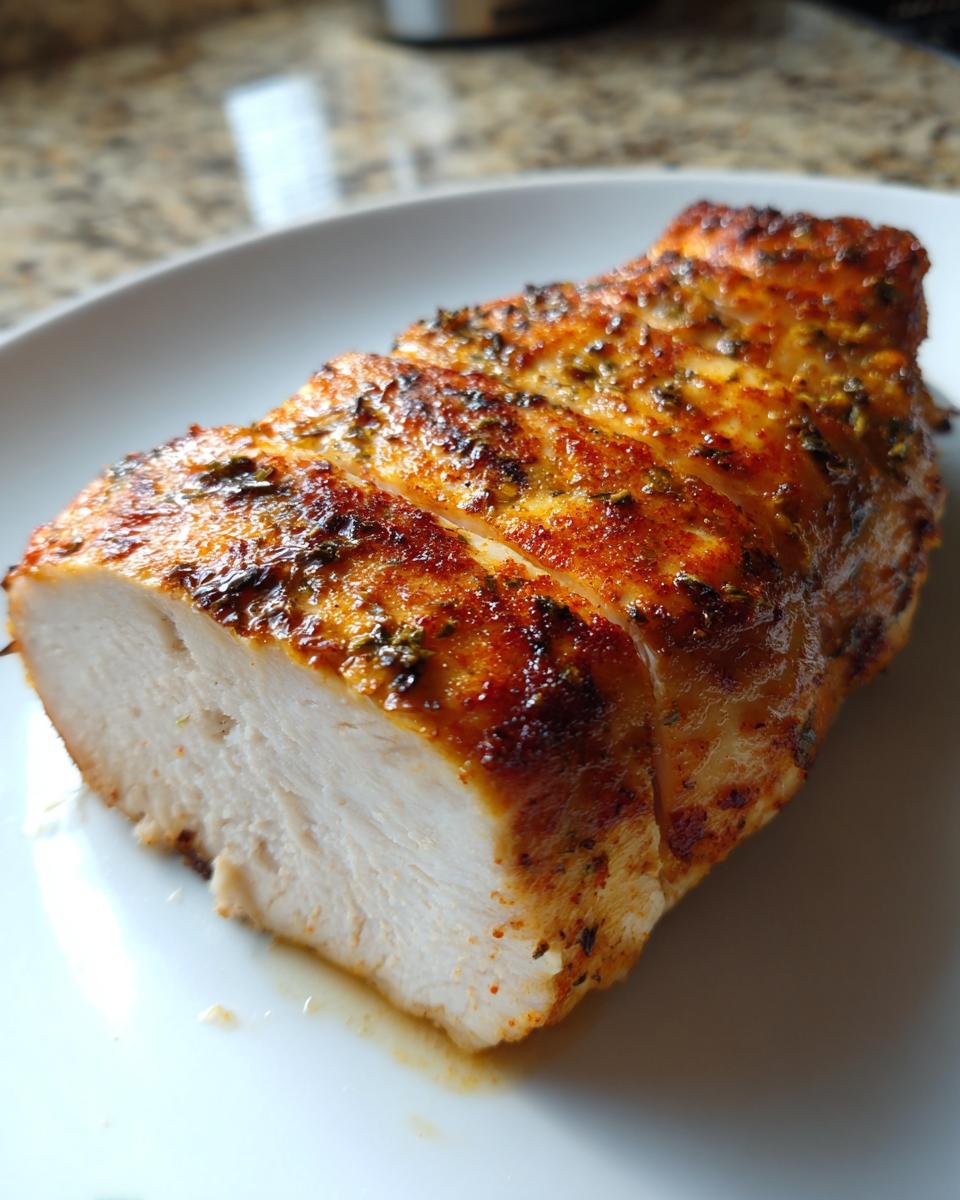
Table Of content
Gathering Your Ingredients for Perfect Baked Chicken Breasts
Before we even think about turning on the oven, we need to make sure we have everything ready to go. Having all your components measured out makes the actual cooking process feel like a breeze. These baked chicken breasts rely on a simple but robust spice blend, so don’t skip measuring anything out!
This ingredient list is scaled perfectly for four hungry people, which is exactly what I aim for on a busy Tuesday night.
Essential Components for Flavor
- 4 boneless, skinless chicken breasts (aim for 6 to 7 ounces each)
- 2 tablespoons olive oil
- 2 teaspoons paprika
- 1 teaspoon garlic powder
- 1 teaspoon onion powder
- \u00bd teaspoon dried oregano
- \u00bd teaspoon kosher salt
- \u00bc teaspoon cayenne pepper (For a little kick!)
- Fresh parsley for garnish (optional, but pretty!)
Ingredient Notes and Simple Substitutions
The recipe calls specifically for boneless, skinless breasts because they pound down evenly, which is crucial for the fast cook time. If you prefer dark meat, you can absolutely swap those out for boneless, skinless chicken thighs—they cook up beautifully with this seasoning blend, too!
If you want to lean into a slightly sweeter profile, I sometimes sneak in 1 tablespoon of brown sugar right into that spice mix. It caramelizes beautifully on the edges. Just mix it in with the paprika and the rest of the dry spices before you rub it all over the meat.
Expert Preparation Steps for Juicy Baked Chicken Breasts
Listen, the secret to amazing baked chicken breasts that finish at the same time isn’t magic; it’s physics! We need to make sure every single piece cooks evenly so that the thinner parts don’t dry out while we wait for the thick centers to catch up. That means two things are non-negotiable: pounding and drying. Don’t skip these prep steps, or you’ll end up with a mix of overcooked and undercooked pieces—and nobody wants that!
I always do this first, before even preheating the oven, so everything is ready to go straight onto the hot pan.
Achieving Uniform Thickness Through Pounding
Grab two sheets of plastic wrap or some parchment paper. Place one chicken breast between the sheets. Now, take your meat mallet—or even the bottom of a heavy skillet if you don’t have a mallet—and gently start tapping the thickest part of the breast. You aren’t trying to shred it; you’re just persuading it to be the same height all the way across.
You’re aiming for about a 3/4-inch thickness. This uniformity is what guarantees they all hit 165°F at the same time! Once you’re done pounding, unwrap them and pat them aggressively dry with paper towels. Seriously, dry them until they feel almost suede-like. Wet chicken steams instead of searing, and we want that gorgeous golden crust!
Creating the Flavorful Spice Rub
While the chicken is resting after being pounded, mix up your flavor bomb! You want all those dry seasonings—paprika, garlic powder, onion powder, oregano, salt, pepper, and the little bit of cayenne—combined thoroughly in a small bowl. Use a tiny whisk or fork to make sure the salt and pepper are evenly distributed so you don’t get one bite that’s super salty.
If you decided to add that optional tablespoon of brown sugar we talked about, now is the time to mix it in. Rub that mixture all over the dried chicken breasts. Use your hands and work it into every surface. This ensures that when the chicken hits the high heat, the spices toast up right away and stick perfectly.
How to Bake Chicken Breasts at High Heat
Okay, now that your chicken is pounded flat and perfectly seasoned, it’s time for the main event! We are using a higher temperature here—450°F—and that’s intentionally done to give us those delicious, slightly crispy edges while cooking fast enough to keep the inside juicy. If you’ve already preheated your oven while you were mixing your spices, great! If not, get that oven cranked up right now.
You want a sturdy baking sheet lined with foil or parchment paper. I like foil because cleanup is non-existent, but parchment gives you a slightly better release. Make sure your seasoned chicken pieces are spaced out nicely on the pan; they shouldn’t be touching each other at all. Overcrowding the pan traps steam, and we are trying to bake, not steam, these baked chicken breasts!
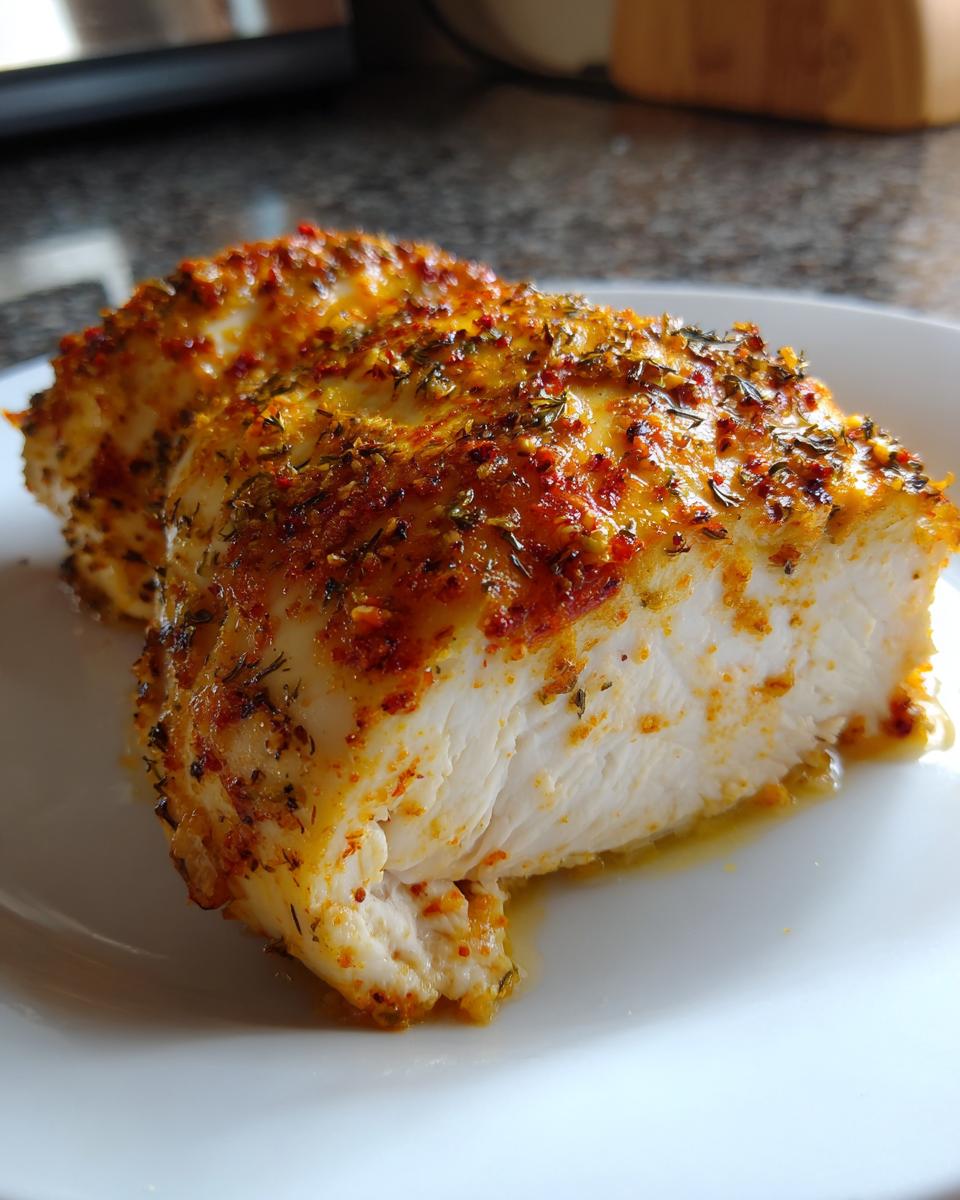
Oven Setup and Seasoning Application
The very first thing you should have done is preheat that oven to 450°F. Don’t put the chicken in a lukewarm oven, or you’ll lose that quick-sear effect we are aiming for. Once the oven is hot, brush or drizzle both sides of the seasoned chicken with your olive oil. I use a pastry brush to make sure every nook and cranny gets coated, and then I press that spice rub in one last time with my fingers.
Remember how crucial it was to pat the chicken completely dry earlier? That dryness allows the oil to spread evenly and the spices to adhere, which is what leads to that beautiful golden color when they bake. If the surface is wet, the spices just slide off!
Monitoring Temperature for Safety
This is the part where you set the timer for 16 minutes and try not to fidget too much! Because we pounded them evenly, they should take about 16 to 18 minutes total. When the timer goes off, you need an instant-read thermometer—it’s the best little tool a home cook can own. Stick it right into the thickest part of the largest breast.
For safety and perfect texture, we are looking for 165°F. If you see beautiful golden-brown edges but the center is still pink, keep checking the temperature. If you hit 165°F, pull them out immediately. If you go past 170°F, you’re going to have dry chicken, no matter what you do next!
The Crucial Resting Period for Moisture Retention
When they hit that 165°F mark, take the pan out of the oven. Now, this next step is something I learned the hard way way back when I first started cooking: you absolutely must let them rest. Don’t slice into them the second they leave the heat!
Move the cooked meat right onto a clean cutting board or serving platter. Let them sit quietly for a full 5 minutes. This resting time allows all those hot, frantic juices that were pushed to the center during cooking to redistribute back throughout the meat fibers. If you slice early, those juices run out onto the plate, and you’re left with less tender meat. Five minutes is worth the wait for maximum tenderness.
Tips for Success with Baked Chicken Breasts
Even with a simple recipe like this, a few key tricks will elevate your results from good to absolutely fantastic. Following these pointers guarantees you get those juicy, flavorful baked chicken breasts every single time, even on the craziest weeknights. I’ve tested this recipe dozens of times, and these habits are what really make the difference between a mediocre dinner and a winner! I often share quick visual guides for these tips on my social channels.
Remember, the goal is speed and moisture, and these tips help us achieve both without adding complexity.
Mastering the High-Heat Bake Technique
The reason we crank the oven up to 450°F isn’t just to cook the chicken fast, although that’s a huge bonus. That high temperature immediately starts to toast the spices and creates a beautiful, slightly set crust on the outside of the meat. This crust acts like a little seal, helping to trap the internal moisture. If you bake these at 350°F, they’ll take forever and dry out before they ever get that lovely golden color we are aiming for.
Make sure your oven rack is in the center position so the heat circulates evenly all around your baking sheet.
Pro Tip for Extra Crispy Edges
If you really love those edges that almost snap when you bite them—and who doesn’t?—I sometimes use a little trick right at the very end. Once your chicken hits 165°F and you pull the pan out, switch your oven setting to the broiler. You want to keep the oven door slightly ajar for safety, but watch them like a hawk because this happens fast!
Put the pan back under the broiler for just 1 to 2 minutes. This will kiss the tops with extra color and crispiness. You must watch constantly here, though, because the spices can burn in seconds. It’s a quick blast of fire for maximum textural reward!
Serving Suggestions for Baked Chicken Breasts
Since this recipe is designed to be super fast for busy nights, your side dishes should follow suit! You want something that either cooks alongside the chicken or requires zero active cooking time. My go-to is always roasted asparagus—toss it with a little oil, sprinkle with salt, and throw it into the oven alongside the chicken for the last 12 minutes of cooking time.
If you need something starchy that comes together quickly, microwaved sweet potatoes are fantastic; they get creamy and sweet, which pairs beautifully with the savory rub. For an even quicker option, a bag of pre-washed spinach tossed with a simple vinaigrette makes for a fresh, light salad. The goal is simple, delicious flavor that doesn’t require you to stand over the stove after a long day!
Storing and Reheating Your Baked Chicken Breasts
Even the best-cooked chicken breasts sometimes end up as leftovers, and that’s perfectly fine! The key to enjoying them later is handling them correctly right after they cool down. We want to make sure those hard-earned juices stay locked inside, even on day two. Don’t just toss them uncovered in the fridge; that’s a recipe for tough meat!
Optimal Storage Methods
Once the chicken has fully cooled down after its 5-minute rest, you need to seal it up tight. Slice the meat against the grain if you plan on serving it cold in salads, or just keep the whole breast whole if you plan to reheat it later. Place the chicken into a very shallow, airtight container. You can use heavy-duty zip-top bags too, just press out all the air before sealing.
Stored correctly in the refrigerator, these leftovers should taste great for about 3 to 4 days. I always try to eat them within the first three, though!
Reheating for Best Texture
Reheating is where most people mess up, turning perfectly good chicken into shoe leather. We absolutely cannot microwave them uncovered! To keep the meat moist, add just a tiny splash of liquid to the container before heating—a teaspoon of broth or even water works wonders.
Heat them gently in the microwave in 30-second bursts until just warmed through, or better yet, wrap the whole breast loosely in foil and warm it in a 350°F oven for about 10 minutes. That gentle heat keeps the moisture locked in better than any quick blast!
| Storage Type | Duration |
|---|---|
| Refrigerator (Airtight) | 3 to 4 days |
Frequently Asked Questions About Baked Chicken Breasts
I get so many questions about this recipe because everyone wants that perfect, juicy result! Here are the top things people ask when they are trying to master these quick baked chicken breasts.
How do I prevent my baked chicken breasts from becoming dry?
It all comes down to two things we covered! First, pound them down to an even 3/4-inch thickness so they cook uniformly. Second, and this is a big one, do not skip the 5-minute resting period after they come out of the oven. That rest redistributes the juices, ensuring every bite is tender.
Can I use frozen chicken breasts for this recipe?
Oh, no, please don’t try it! Baking frozen chicken breasts at 450°F is a recipe for disaster—the outside will burn before the inside thaws enough to cook evenly. You must thaw them completely overnight in the fridge first. Once thawed, pat them dry and proceed with the pounding step as written.
What internal temperature should I look for when cooking baked chicken breasts?
Always, always, always use a meat thermometer when cooking poultry! For food safety and the best texture, you need to pull the chicken off the sheet pan the second the thickest part reads 165°F. If you let it sit in the hot oven for even two extra minutes after that, you risk drying out the meat.
Quick Reference Nutritional Data for Baked Chicken Breasts
Now, I know some of you are tracking your macros, and that’s great! But honestly, when I’m whipping up these quick meals, I’m not breaking out the scale for every single ingredient. The precise values can change based on the exact size of your chicken breasts and how much oil you brush on.
Because of the variations in portion size and specific ingredients used, I recommend using this recipe as a fantastic, flavorful base rather than relying on exact nutritional counts. Just know you’re getting a great source of lean protein!
Print
Baked Chicken Breasts: 4 Foolproof Juicy Tips
- Total Time: 23 minutes
- Yield: 4 servings 1x
- Diet: Low Fat
Description
Baked chicken breasts cooked quickly at high heat for juicy results and golden edges. This recipe uses simple seasonings for fast weeknight meals.
Ingredients
- 4 boneless, skinless chicken breasts (6 to 7 ounces each)
- 2 tablespoons olive oil
- 2 teaspoons paprika
- 1 teaspoon garlic powder
- 1 teaspoon onion powder
- ½ teaspoon dried oregano
- ½ teaspoon kosher salt
- ½ teaspoon black pepper
- ¼ teaspoon cayenne pepper
- Fresh parsley for garnish
Instructions
- Preheat your oven to 450°F. Line a rimmed baking sheet with aluminum foil or parchment paper; lightly spray it with cooking spray.
- Place each chicken breast between two sheets of plastic wrap or parchment paper. Pound them with a meat mallet to an even thickness of about ¾ inch.
- Pat the chicken breasts completely dry using paper towels. Place them on the prepared baking sheet, spacing them evenly apart.
- Drizzle or brush both sides of the chicken breasts with olive oil. Make sure they are evenly coated.
- Combine the paprika, garlic powder, onion powder, oregano, salt, black pepper, and cayenne pepper in a small bowl.
- Sprinkle the seasoning mixture generously over both sides of the chicken breasts. Rub it in with your fingers for even coverage.
- Bake for 16 to 18 minutes. Look for golden brown color with slightly crispy edges and no pink in the center.
- Check the internal temperature using an instant-read thermometer. It must reach 165°F in the thickest part for safety.
- Remove the baking sheet from the oven. Immediately transfer the chicken breasts to serving plates.
- Let the chicken rest for 5 minutes before slicing. This lets the juices redistribute.
- Garnish with fresh parsley and serve warm.
Notes
- Pounding the chicken to an even thickness is key for cooking uniformly in 18 minutes.
- Baking at 450°F develops a golden crust while keeping the inside moist.
- Do not skip the resting period; this keeps the meat moist.
- Pat the chicken completely dry before oiling so the seasoning adheres well.
- Remove the chicken exactly at 165°F to avoid overcooking.
- You can use boneless, skinless chicken thighs; cook them for the same time.
- For a sweet-savory taste, add 1 tablespoon of brown sugar to the spice mix.
- Broil for the final 2 minutes for extra crispy edges, watching them closely.
- Prep Time: 5 minutes
- Cook Time: 18 minutes
- Category: Main Course
- Method: Baking
- Cuisine: American
Nutrition
- Serving Size: 1 breast
- Calories: 270
- Sugar: N/A
- Sodium: N/A
- Fat: 10g
- Saturated Fat: N/A
- Unsaturated Fat: N/A
- Trans Fat: N/A
- Carbohydrates: 2g
- Fiber: N/A
- Protein: 40g
- Cholesterol: N/A